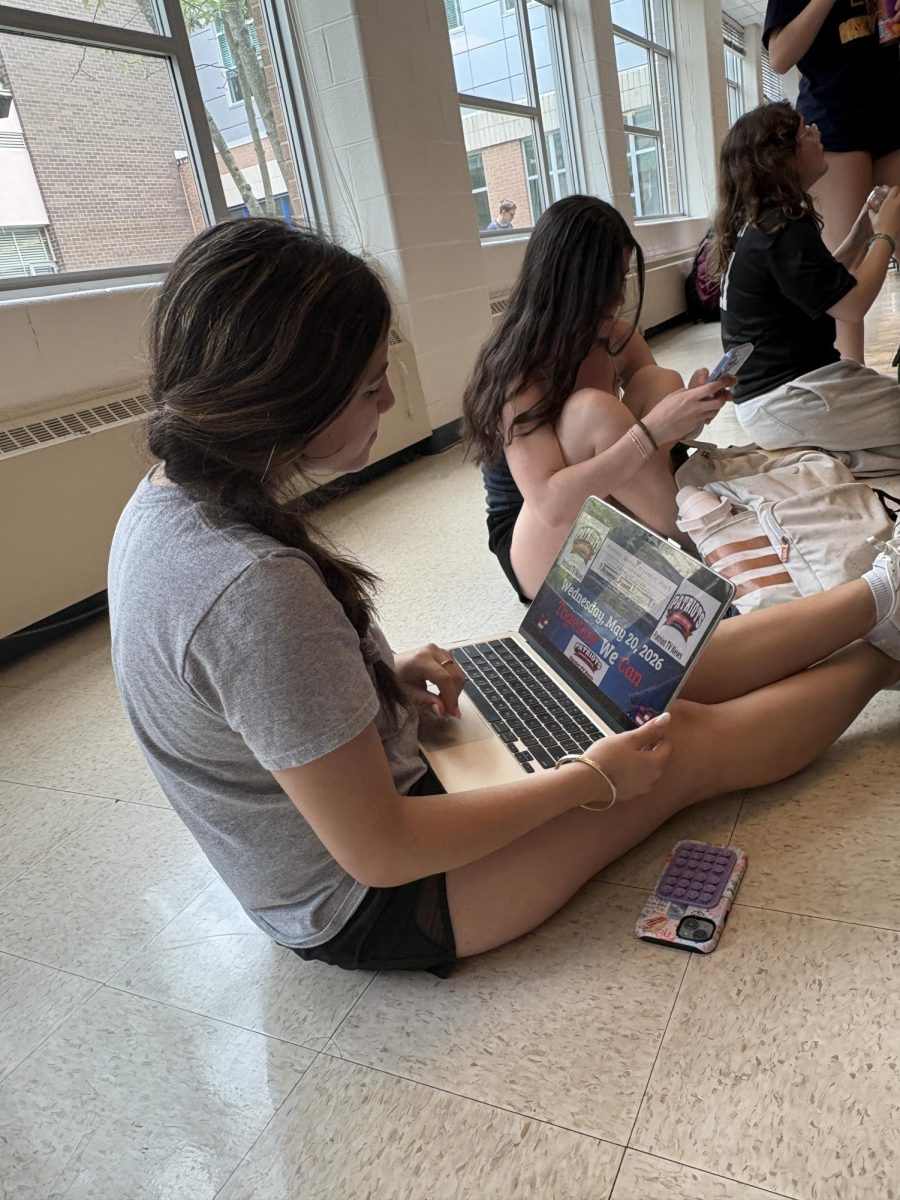
It is common for younger generations to be called “lazy” and “selfish” by older generations, but for Generation Z, this seems to be exacerbated. Gen Z has been deemed difficult to work with, entitled and addicted to their screens.
Generation Z is the generation of people born between 1997 and 2010. They grew up in a post 9/11 world and are the first generation to grow up in a world with consistent access to technology and the Internet. Because of this, they have been described as the first truly global generation as they have access to everything and everyone at the click of a button, according to Johns Hopkins University.
Stereotypes against Gen Z have been harsh and inaccurate, even going so far as to say that Gen Z is “unemployable,” as written in the Wall Street Journal. According to the Wall Street Journal, only 2% of Gen Z have the values that companies are looking for when hiring, including achievement, learning and a desire to work. Additionally, according to Forbes, six out of 10 employers admit that they have fired at least one Gen Z employee only months after hiring them.
Older generations also bring up the fact that Gen Z is addicted to social media and technology. According to a 2023 Gallup survey, 51% of U.S. teenagers report spending at least four hours on their phone per day, while the average time spent on social media ranges from 4.1 hours to 5.8 hours per day. This often leads to poor mental health as well as a lack of sleep, anxiety, stress and depression.
Despite all of the stereotypes surrounding Gen Z, with increasing prices, unstable job markets, and the rise of A.I. and technology, Gen Z is adapting to the world that they are living in and the world that they see on social media on a daily basis.
For example, according to the World Economic Forum, 46% of Gen Z named adaptability as their strongest soft skill, meaning that they can be agile and adapt to their job’s requirements. Furthermore, in the past, other generations, such as millennials, have also faced scrutiny when they have entered the workforce. According to Forbes, in 2013, 68% of corporate recruiters said that it was difficult for their companies to manage millennials. This concept does not just pertain to Gen Z, but because of the strong distrust that Gen Z has toward companies and institutions, the stereotypes they are facing have been exacerbated.
Not only do Gen Z distrust the companies that they work for, but they also have a strong distrust for political institutions such as the president, Congress, and the news. According to a Gallup poll, 50% of Gen Z trust Congress “very little” compared to 3% of Gen Z who trust Congress “a great deal.”
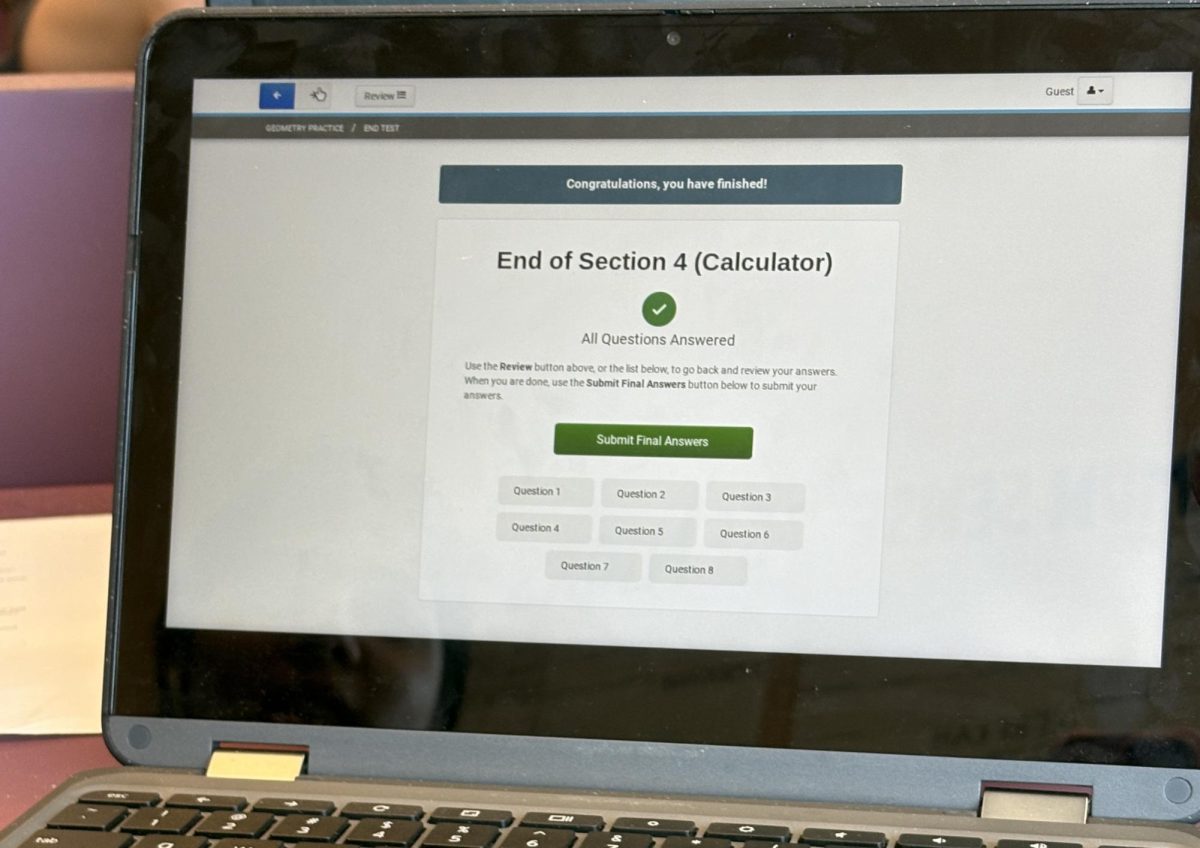
Since Gen Z was the first generation to grow up with access to technology, including iPhones, the internet and the ability to find information with a simple click on a computer, they are unable to avoid its usage, and therefore, most have developed a type of addiction to technology. According to the Consumer Technology Association, 86% of Gen Z believe that technology is fundamental to their lives. However, Gen Z has found ways to use technology for their own personal advancement. Online study tools that are popular among Gen Z include Notion, which is used for online note-taking, and Quizlet, which can be used to make online flash cards for studying. Gen Z also uses technology to create digital communities around shared topics of interest that may be more niche in the real world, but online, people are able to chat about their interests.