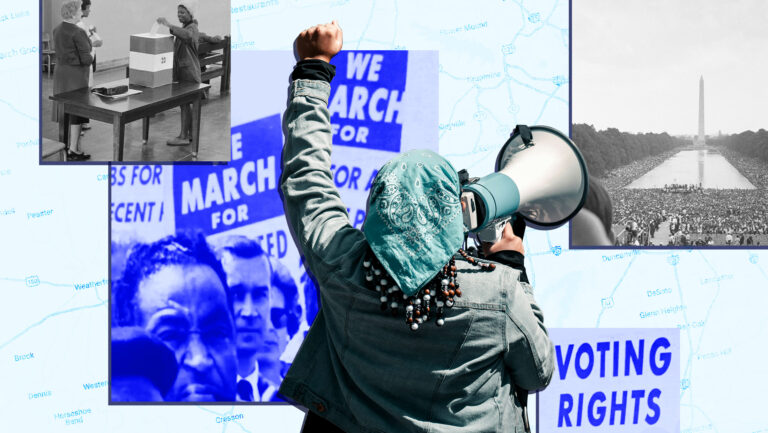

Voting is supposed to be the simplest way for a citizen to impact their government. Yet, American elections are constantly changing. Over the last decade, a series of Supreme Court decisions has quietly dismantled key pieces of the 1965 Voting Rights Act, changing how laws are made and who gets to make them.
The turning point came when the Supreme Court weakened federal oversight on local voting laws. Historically, states with a track record of discrimination had to get federal approval before changing polling places or district maps. Now, the federal government has stepped back, leaving individual states to police themselves. According to data from the Brennan Center for Justice, this shift triggered a massive wave of new state-level restrictions across the country, ranging from stricter ID laws to shortened windows for mail-in ballots.
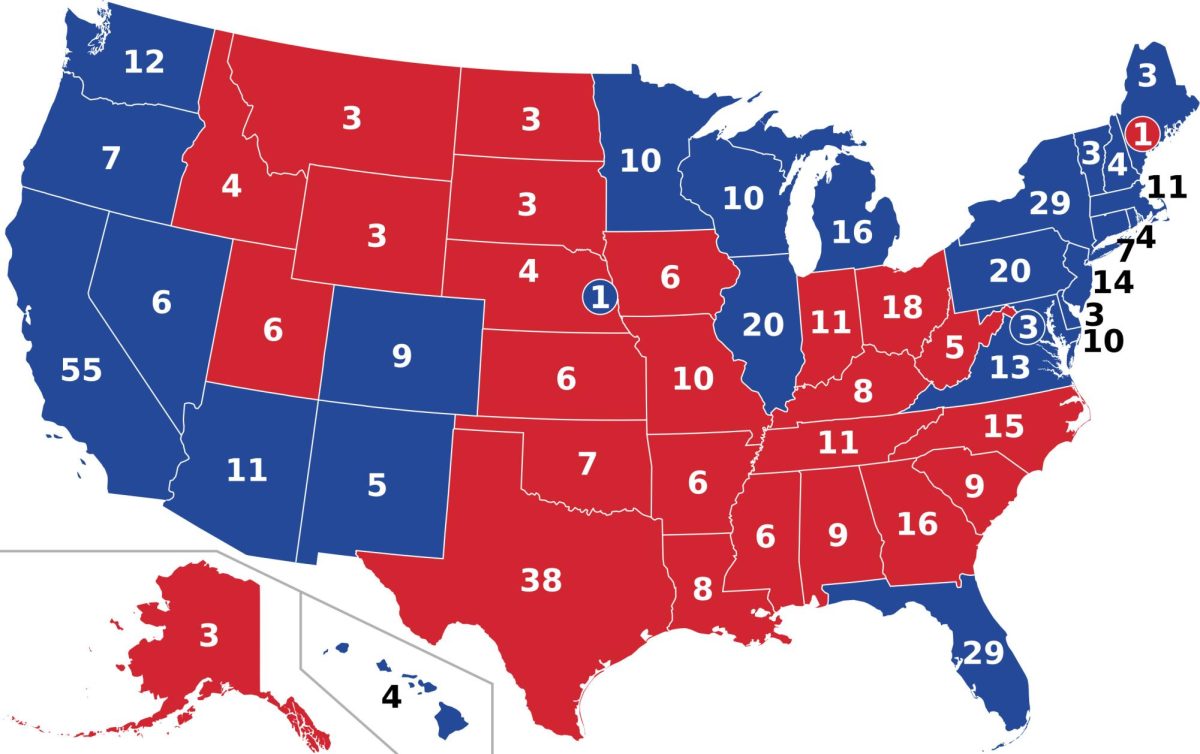
It is easy to look at these national court conflicts and assume they only matter in faraway states. But federal changes always filter down to the local level. Montgomery County is a massive, diverse suburban community, and the way our political districts are drawn determines how much influence our neighborhoods actually have. When the Supreme Court reduces federal voting protections, it opens the door for state politicians to alter legislative boundaries, sometimes splitting up cohesive communities in Rockville and Potomac to dilute their political voice. This dynamic was seen when the Maryland Supreme Court had to rule on a major legal petition challenging the state’s redrawn legislative boundaries, according to data from the Princeton Gerrymandering Project.
Our local infrastructure feels the impact of these shifting rules directly. During election cycles, public schools are transformed into polling centers for the surrounding neighborhoods. If state-level regulations tighten or local election budgets face strain, counties are often forced to consolidate precincts. Forcing voters into fewer locations creates longer lines and more headaches.
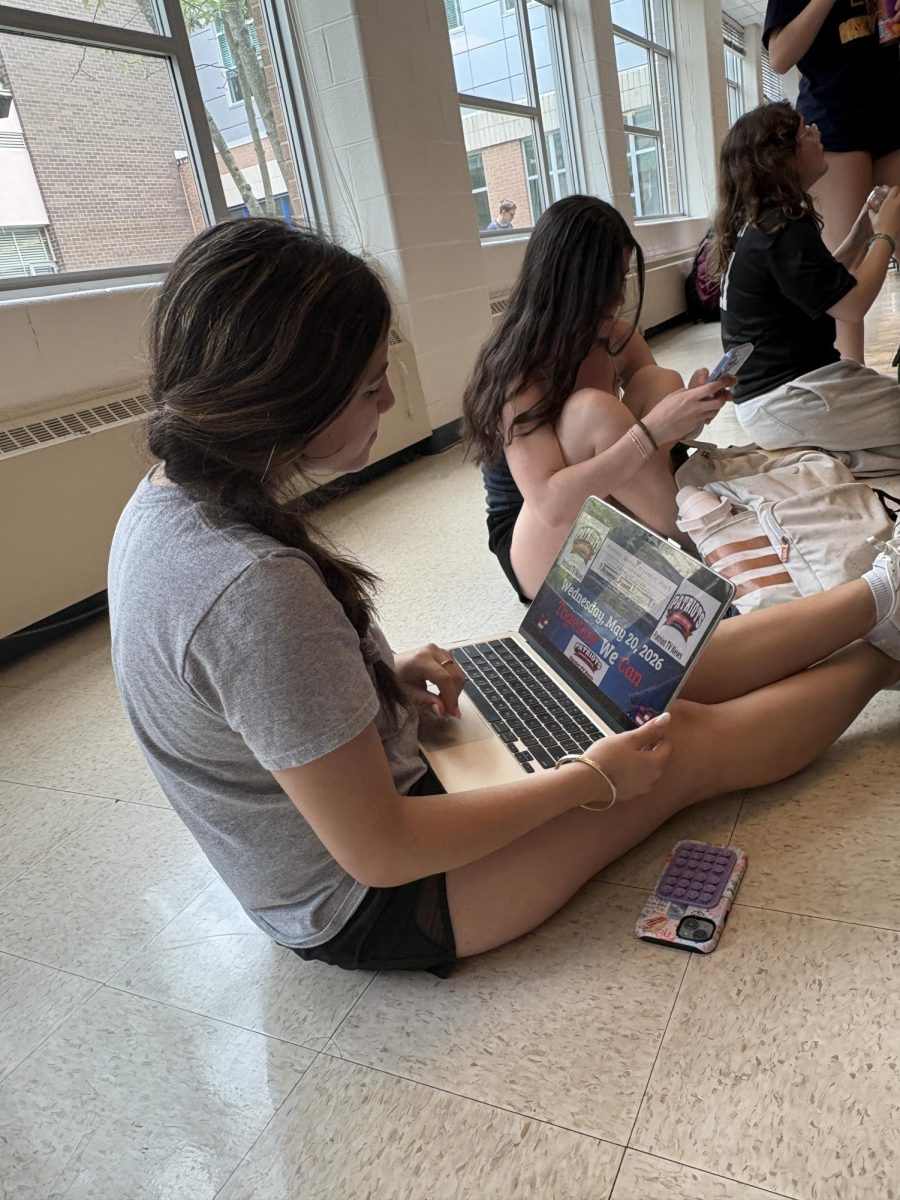
The pressure of this standardization is especially strong on the youth and the first-time voters of our school system. When precinct rules change or identification requirements become demanding under new state mandates, high school students turning 18 face hard learning obstacles just to cast their very first ballot. Confusing registration deadlines and sudden polling place changes create a challenge to registration that may prevent long-term civic participation.
To push back against voter fatigue, the Montgomery County Board of Elections has had to step up its independent operations. Local election officials are pouring resources into bilingual poll worker recruitment, more specifically targeting teenagers through their “Future Vote” initiative to hire students 16 and older, while expanding early voting centers to ensure working families aren’t shut out of the process. Simultaneously, grassroots groups in the county are focusing heavily on voter registration drives to counter the confusion caused by constantly changing state district lines.
The national debate over civil rights happening in Washington courtrooms is constantly shaping our political influence in our own neighborhoods. Keeping a close eye on how our local government manages polling places and district boundaries is the only way to ensure every voice in our community actually gets heard.