
In a country where 90% of its residents own a car, according to the Institute for Transportation and Development Policy, America is infamous for its public transportation crisis. Following significant decreases in funding, steep fall of ridership and increased fares, public transportation has not been the same in recent years.
During the COVID-19 pandemic, public transportation usage fell significantly, out of precaution and concern of COVID-19 transmission. For those who relied on public transportation to attend to essential purposes, cities implemented reduced fares and service; here in Montgomery County, for example, the Ride On network reduced transportation from its original 80 routes to 35.
In a report by the U.S. Government Accountability Office (GAO), it seems as if the changes during the pandemic permanently altered the status quo of public transportation today. Data from GAO’s survey of all 31 commuter rail systems in the U.S. show that fare revenue from riders was 31% lower in fiscal year 2023 compared to 2019.
It may seem unimportant to care about public transportation when we live in Rockville, and not in metropolis spots with notable transit services like San Francisco, New York City or Chicago, but these statistics show that suburban living is becoming less sustainable as a result of the fall in public transportation, especially considering our proximity to Washington, D.C.. For the people in not just Rockville, but also Gaithersburg, Germantown and other nearby Montgomery County cities, who rely on public transportation for their daily needs, we must give more attention toward public transportation, and this starts by appreciating those responsible for running the system: bus drivers.
In 2025, Montgomery County Councilmember Evan Glass officially announced a zero-fare policy for all Ride On-affiliated buses. While this was a right step in financial security and equity for those who take the bus frequently, this results in a decrease in public funding and allocation for bus driver salaries.
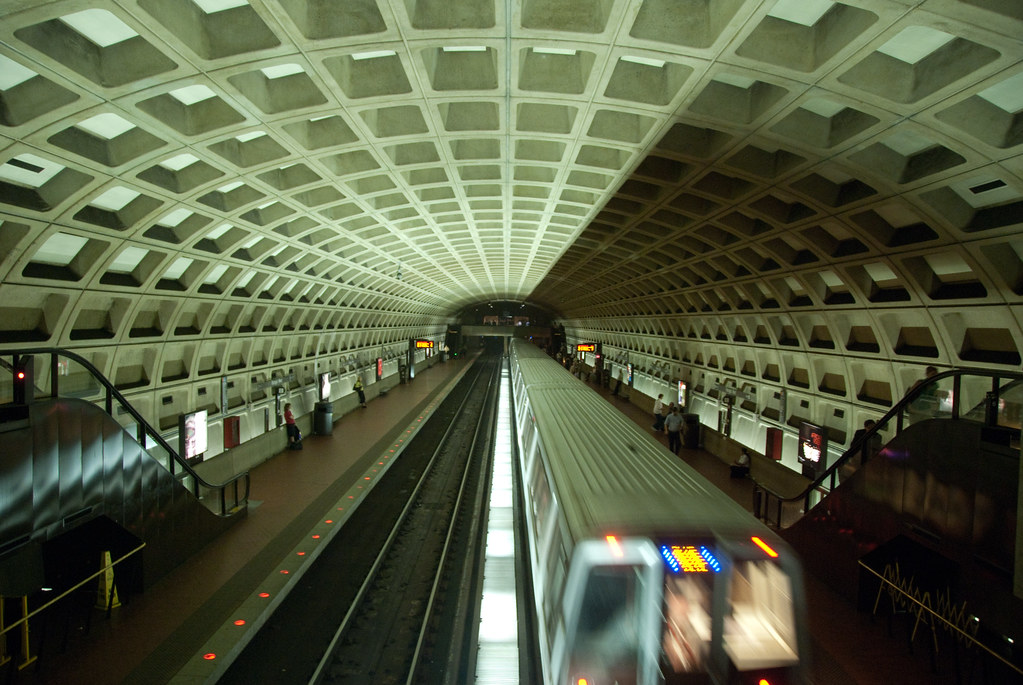
In addition to bus drivers and buses, it is also important to take into account the DMV’s complex Metro system and its drivers. The Metro rail system is directly joined with the Metrobus network that runs across the D.C. metropolitan area, offering more incentive to put our attention toward improving public transportation since the systems are so interconnected.
For buses and Metro trains in the area, initiatives are being made to improve both forms of transportation and bring back population and revenue numbers back to pre-pandemic levels while aligning with the county’s priorities. For example, the Ride On network announced a “Ride On Reimagined” initiative last year to alter routes and take into account public review and input to improve the system. The Metro is also in the midst of performing major construction this summer.
Despite the new improvements and changes occurring, it is still crucial that we encourage our peers and local government to prioritize public transportation not just for the drivers and essential workers, but for those who rely on it everyday for their daily needs.