Flashy red lettering labeling products “70% off” and “Limited time deal” play across the screen as consumers scroll through Tik Tok shop. As of September 2023, the popular social media app ,Tik Tok, introduced their marketplace where users can watch review videos of products and purchase the items on the same app. Due to the efficiency of the transaction, and the exclusive deals, Tik Tok shop has garnered an estimated 71.4 million shoppers in 2025, according to Capital One Shopping.
With the ease of purchase, impossibly low prices and trending clothing apparel, ultra-fast fashion marketplaces like Tik Tok shop, SHEIN and Temu seem too good to be true, though the question at hand remains whether it’s ethical to purchase from these marketplaces.
Fast fashion is the answer to modern consumerism. The goal: keep up with the ever-changing trends caused by social media. Fast fashion entails fast production cycles to keep up with rapid trend shifts, but result in low quality materials. Ultra-fast fashion is simply the acceleration of fast fashion, meaning even shorter production cycles. The key differences between fast fashion and ultra-fast fashion lies in the lead time, the time from design to purchase. While fast fashion manufacturers can produce the new trending clothing product in two to three weeks, ultra-fast fashion can produce the item in mere days. Both ultra-fast fashion and fast fashion marketplaces and retailers have their positives, yet the overwhelmingly negative impact on society remain detractors for both forms of fashion.
Churning out trending clothes at the high rates they are, fast fashion clothing is commonly produced in sweatshops, large-scale factories that run on unsafe and exploitative working conditions. The appealingly low price tags of fast fashion clothing comes at the cost of sweatshop workers’ livelihoods. Prominent sweatshops that produce the fast fashion clothing include those in Bangladesh, Vietnam, China and other countries with limited worker safety laws. The poor conditions of these sweatshops lead to worker safety concerns, insufficient wages and pollution of nearby communities. In the deadliest garment factory disaster, the Rana Plaza sweatshop in Bangladesh collapsed in 2013 and killed 1,138 workers and injured thousands of others. On top of the inhumane conditions, sweatshops often don’t have regulations against child labor. More than an estimated 138 million children are employed in child labor in various sectors, or 12% work in the industry sector, which includes factories and sweatshops, according to UNICEF.
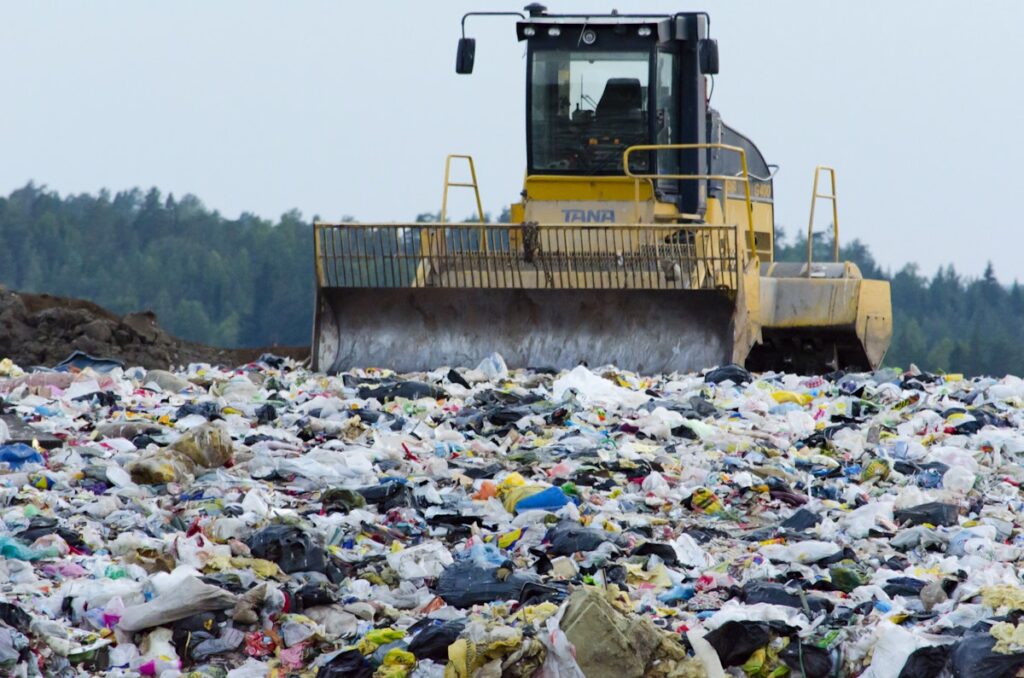
From an environmental standpoint, the need to produce products faster causes manufacturers to cut corners. The shortened lead time results in low quality materials that have shorter life spans, hence the faster disposal of the clothes. Fast fashion marketplaces utilize cotton, which requires large amounts of water and pesticides to create, and polyester, which contributes to microplastic pollution. Often the materials, like polyester, aren’t biodegradable, and when disposed won’t decay for hundreds of years. In efforts for efficiency these products being produced in a short time span require vast amounts of energy, causing water pollution through the usage of hazardous chemicals harming neighboring communities.
Steering clear of ultra-fast and fast fashion brands that sell products sourced from non-green and sweatshop manufacturers is the ethical decision. Unfortunately, buying sustainable and labor-rights friendly brands isn’t as simple as saying “no” to the known perpetrators. Though ultra-fast fashion brands like SHEIN and Tik Tok shop are known to have products sourced from sweatshops and are eco-unfriendly, other culprits are harder to discern. Established brands like Adidas, H&M, Zara, Forever 21, GAP, Nike, Brandy Mellville, Urban Outfitters, Gucci, Versace and Victoria’s Secret all lack safe environmental and labor standards in their manufacturing sourcing. The list goes on.
Even “safe” marketplaces like Amazon and Ebay that don’t have safety restrictions on their third-party sellers similarly sell products produced from sweatshops. Customers can find identical products from Tik Tok shop as they can on Amazon, the difference being the price. The manufacturers, or third party sellers, produce the clothing and sell it to multiple markets. Though, since Amazon has a higher traffic, they can increase prices on their products despite offering the same apparel, they act as a middleman. Due to lack of transparency, it’s hard to determine whether or not brands ethically source their clothing. To buy clothing that is environmentally friendly and doesn’t rely on sweatshop labor, customers have to rely on brands that have Free Trade certification or are part of the Fair Labor Association and meet the Global Organic Textile Standard. Unfortunately, the list of trustworthy clothing brands is few and far between.
Buying from ultra-fast fashion marketplaces like Tik Tok shop and SHEIN, is simply taking out the middleman. Customers can buy the same clothes cheaper from these ultra-fast fashion brands since there is no additional supplier to jack up the price. While efforts are being made to reduce sweatshops and become environmentally friendly, buying from SHEIN isn’t the crime it’s set out to be if it’s considered “acceptable” to buy the same product from Amazon.
The bottom line remains that transparency is key. Brands that once may have been “accepted” are now being found guilty of sourcing clothing unethically. The answer to whether purchasing from ultra-fast fashion brands like SHEIN and Tik Tok shop isn’t black and white. While the “too good to be true” deals come at the expense of environment and worker safety standards, purchasing from fast fashion retailers or marketplaces offers products sourced from the same factories simply at higher prices. The short answer is no, it’s not ethical to buy from these brands that don’t procure their apparel from safe and reliable manufacturers, yet the complexity lies in the simple truth that consumers will still buy from these established brands. If a customer is still going to buy fashionware from these brands, they might as well buy it at a reduced price that takes out the middleman.