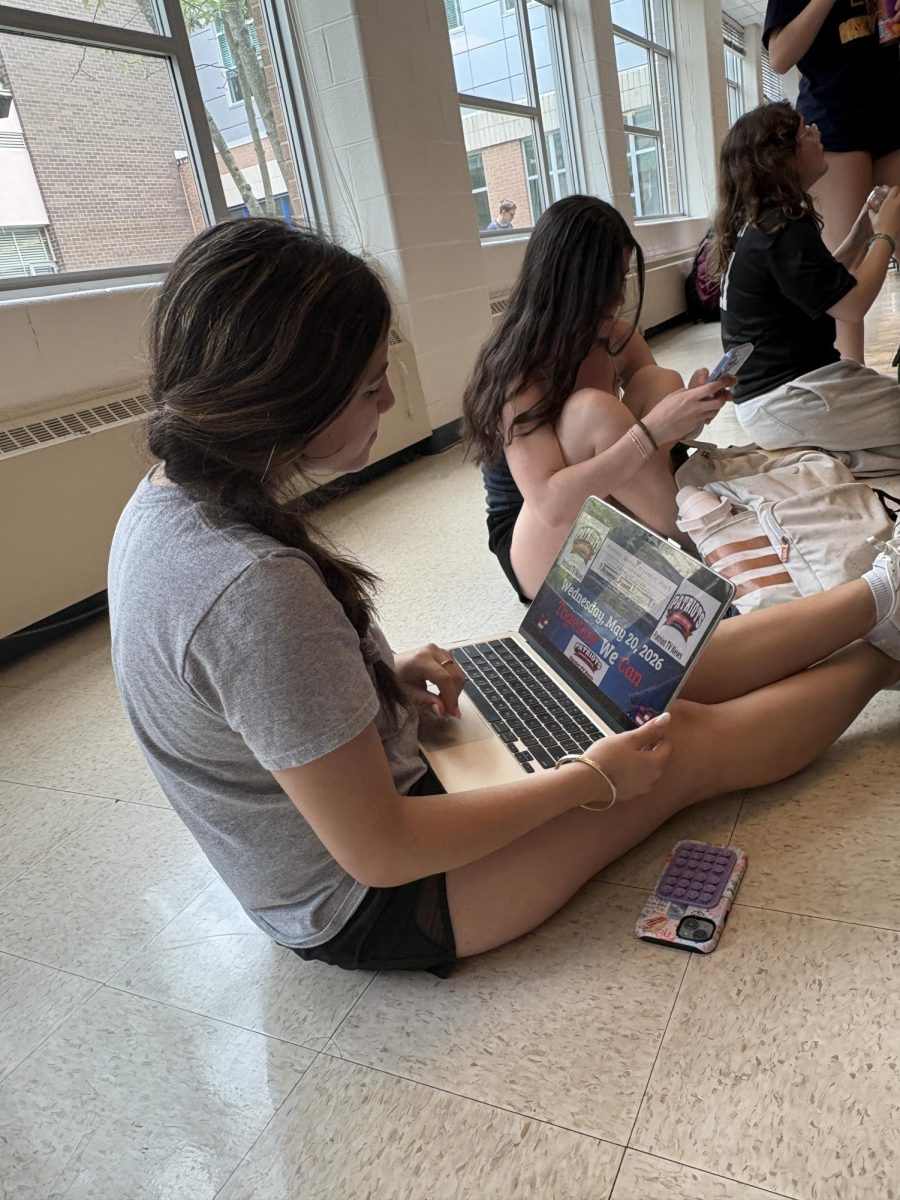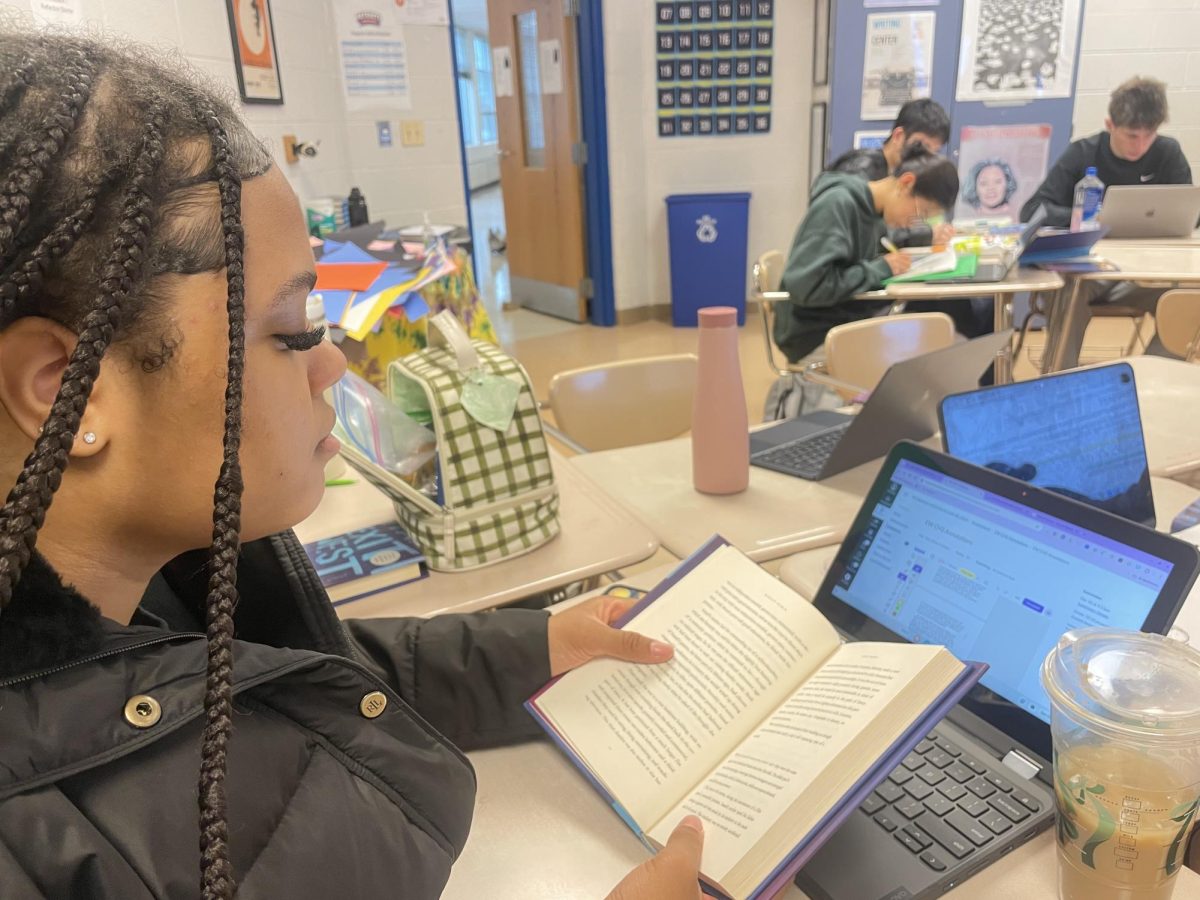
Every new year is one year closer to the digital future. Nearly six years have passed since the days of virtual school, where everything was online. Assignments used to be primarily on paper in the past, but digital work is the future. Work hasn’t returned to its printed status, but should it?
One opinion might be that with more assignments being online, students struggle with writing on paper. Being out of practice with writing can cause students to have worse handwriting on paper. English teacher Dr. Leslie Dumont said. “A lot of people have really bad handwriting because they don’t write a lot. They type more.”
However, online assignments can also provide benefits for students with messy, unreadable handwriting. Having the usage of a textbox on online assignments forces students to not just scribble on their papers. They actually need to provide thought out responses without just hoping the teacher won’t be able to read it.
Another reason might be that with the availability of technology, students will use AI to cheat on assignments. Students are less likely to use resources like ChatGPT for paper assignments, Audrey Szijj, a writer from The Foothill Dragon Press said. “The increased use of ChatGPT in schools raises some concerns in terms of academic dishonesty. However, if more paper is used in schools, then the chance of ChatGPT being used to plagiarize work is significantly reduced,” Szijj said.
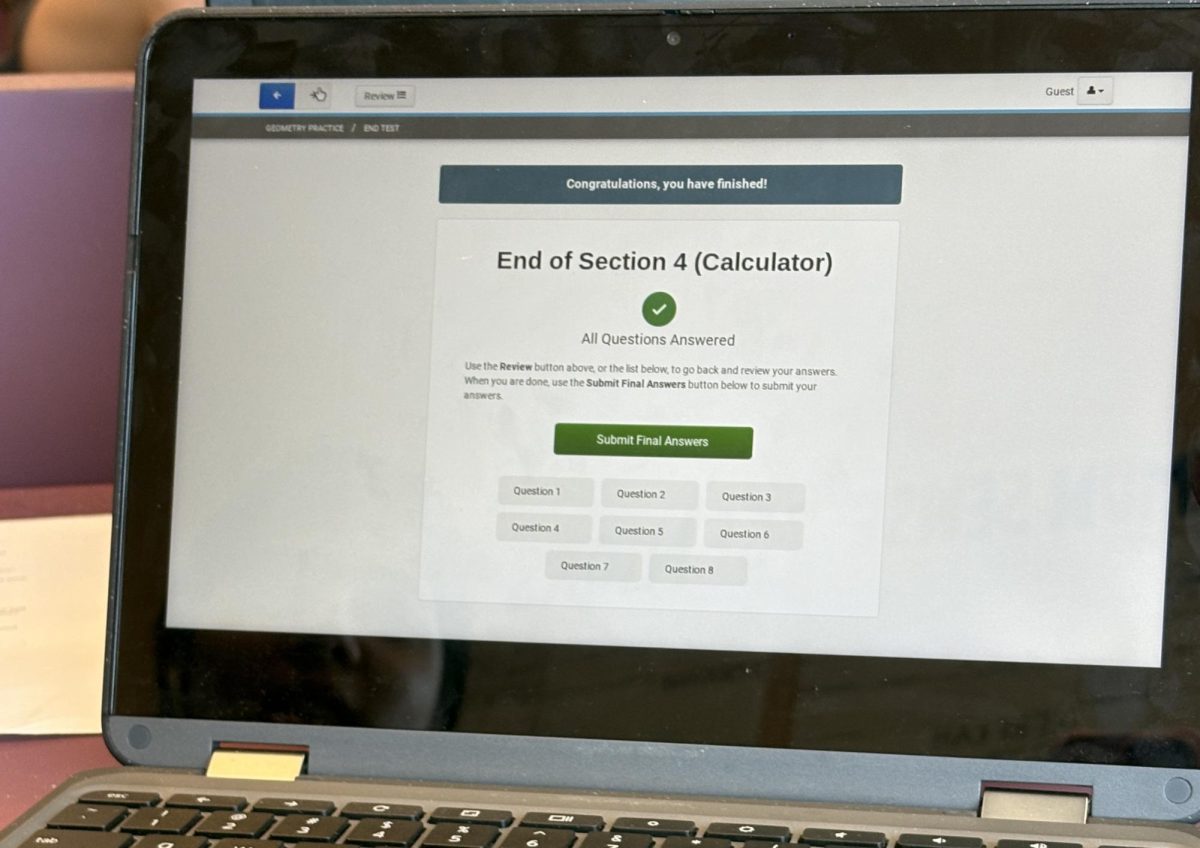
However, it is important to recognize that plagiarism is an issue overall, but it isn’t a new issue. Usage of artificial intelligence can be an issue but it can also be a helpful learning tool if used correctly. Online practice quizzes and the ability to have directions reexplained can be of great help to confused students.
A reason against digital learning is the cost, buying one computer is a completely different experience from buying over 1,000 computers. According to Szijj, using technology is costly if they are for a large number of students. “Digital learning…can get expensive. If schools rely heavily on computers, the costs can add up if there is a large number of students,” Szijj said.
Using technology can be costly, however, using paper can be costly to our environment. The more we use unnecessary paper, the more our environment is affected. Online assignments reduce environmental harm and aid in a cleaner, greener future.
Assignments that are online can also help with preparing students for their own futures. If students are exposed to the digital world early, they can transfer the skills they learn to future careers. Understanding technology and feeling confident in how to use it can be of great benefit, even if their future job doesn’t involve computers.
These virtual assignments can help build upon skills that students might use in universities, future jobs and everyday life. It can greatly help their futures to know how to make Google slides, submit assignments and check emails.
Sending emails can help students stay on top of their assignments, especially if they are absent. With online assignments, absent students can complete their work from anywhere without having to wait for when they return. This can be beneficial if a student is absent for a long time because it can help prevent them from being behind on their work.
Digital work can also ensure assignments don’t get lost or damaged. By having work online, papers won’t arrive crumpled or forgotten at home. Students may also struggle to stay organized if they are holding onto seven different assignments. The usage of technology is extremely prominent in everyday life, no matter how old you are. There are benefits and downsides of each, it just matters what means the most to you.