

Practice times for high school sports are complicated but carefully managed in order to maintain organization within the program and allow all student-athletes time to develop in their sport. Schools must coordinate schedules across multiple teams, seasons and facility limitations while keeping teams, students and coaches satisfied. The system is coordinated by Athletic Director Alton Lightsey.
One of the factors influencing practice schedules is facility availability. High schools tend to have limited space, such as one gymnasium, a shared field or a small weight room. Coaches must coordinate with one another and the athletic director to divide these spaces fairly among teams. For example, basketball, volleyball and wrestling teams may all need the gym during the same season, so practices are often staggered. Teams may practice immediately after school, while others may have later evening slots. Outdoor sports like soccer, baseball and track also share fields, which require careful planning, especially when weather conditions affect the usage. “The only times we had to share gym space with another team were basketball, when it got towards the end of the season last year, my junior year. During the playoffs, there was basketball in the main gym, so we had to push practice later and then go to the weight room for a bit before basketball finished, and we could have practice. Either that or we had to move to the lower gym and have practice there instead,” senior volleyball player Taryn Su said.
Coaches also play a key role in managing practice times effectively. They come up with practice plans that cannot exceed the allotted time. This includes warm-ups, skill drills, conditioning and team strategies all smushed into a short time. Efficient practices help athletes improve without unnecessary time demands. Coaches may also communicate with athletes about upcoming schedules, changes due to weather or conflicts with other school activities. “Really, we have a block of time between 2:45 and 9:30 that they try to get three full practices in blocks on the field. So block one would be right after school until about 4:30 or five, and block two would be five, 5:30 to 7:00, and then block three would be seven, 7:30 to 9. It kind of depends on the coach’s availability on who gets what time,” girls’ soccer coach Christopher Thompson said.
Transportation is another logistical factor. Students often rely on school buses or carpooling, so practice times often align with late bus schedules. Schools try to ensure that students who stay after school for sports still have a way to get home safely. This can influence when practices start and end. “As a freshman, I prefer practice to be after school because I don’t drive to school, so transportation is harder for me when practices are later in the afternoon. When it’s after school, I don’t have to stress about rides,” freshman athlete Karlie Cook said.
Practice times are a key factor, as schools may limit sessions to at least an hour, and no more than two on a weekday. This is to prevent burnout and give students time to rest. It’s especially important for student-athletes as they juggle their schedules with sports, school, jobs and family responsibilities. It’s important that they are able to practice with their teams while still having time for other priorities. “In examining practice limitations, school leaders need to encourage coaches to be open to allowing multi-sport athletes to have flexibility during common seasons….This may create situations where coaches have to work together to set appropriate practice times for these unique students so they do not exceed practice time mandates,” according to the NFHS website.
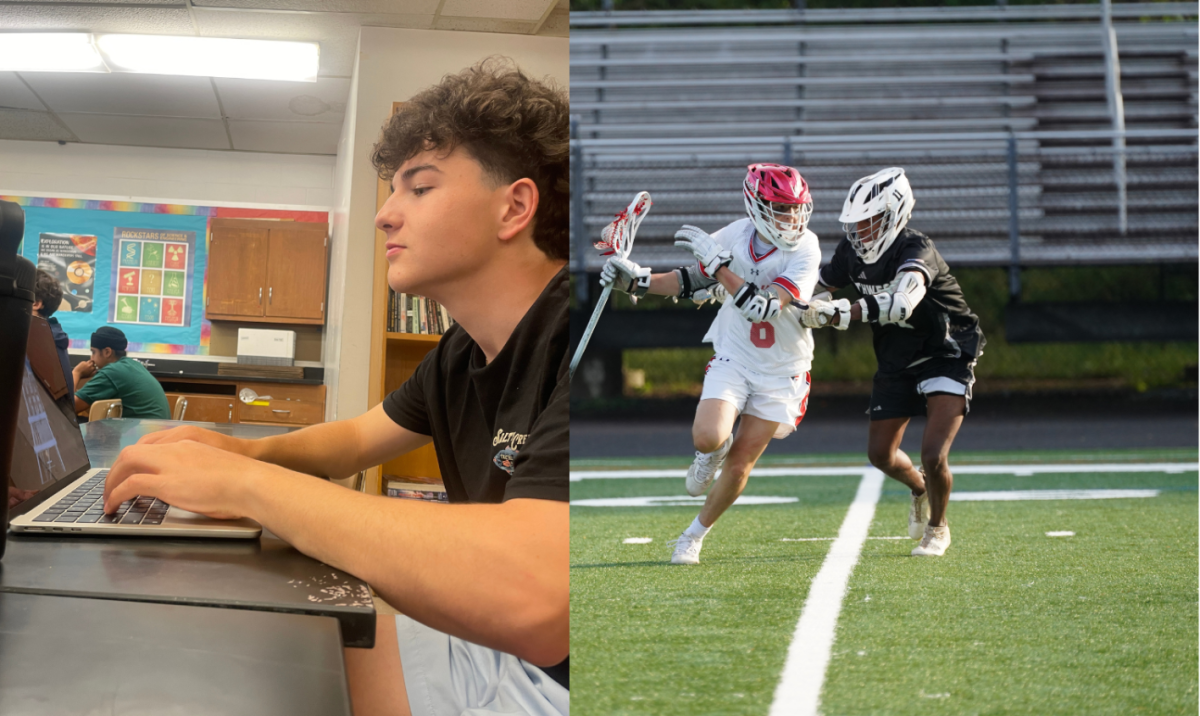
While these systems aim to create fairness and structure, they can still cause challenges. Late practices may cut into study time or sleep, and shifting schedules can make it difficult for families to plan transportation and daily routines. Still, coaches and athletic directors try to accommodate their athletes as much as possible. Coaches also compromise with each other in order to get the time they need for training. “Our practice is overall a good time regarding the weather since it’s usually cooler, especially towards the end, but it can be hard with schoolwork since it’s not directly after school, and sometimes we don’t get home until 7:30,” senior varsity boys’ lacrosse captain Zach King said.
Managing practice times for high school sports involves balancing facilities and regulations. Through careful planning and coordination, schools create schedules that allow all athletes to share the same amount of attention toward their practice times. “I think the process of deciding practice times with so many different sports teams in such little time slots is a lot of work, and I respect the coaches and athletic director who have to manage it for us,” junior football player Ben Reich said.