
Coaches can make or break a student-athlete’s relationship with a sport. Although all students prefer different styles of coaches, certain traits are nonnegotiable.
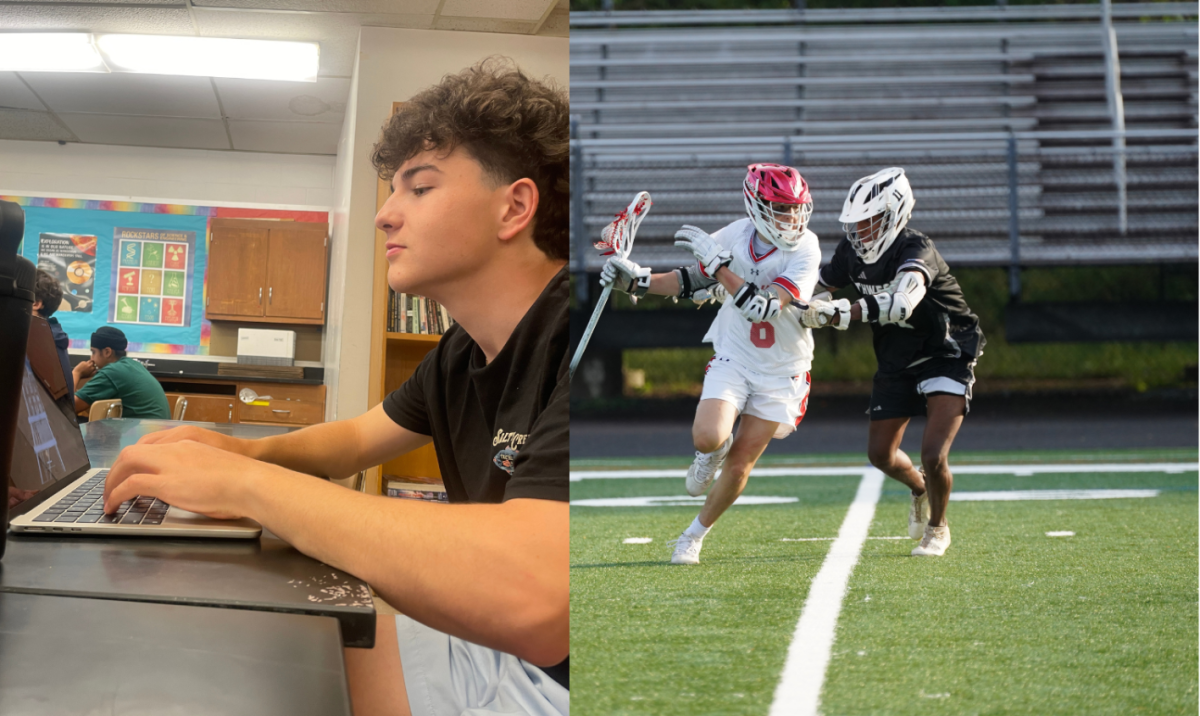
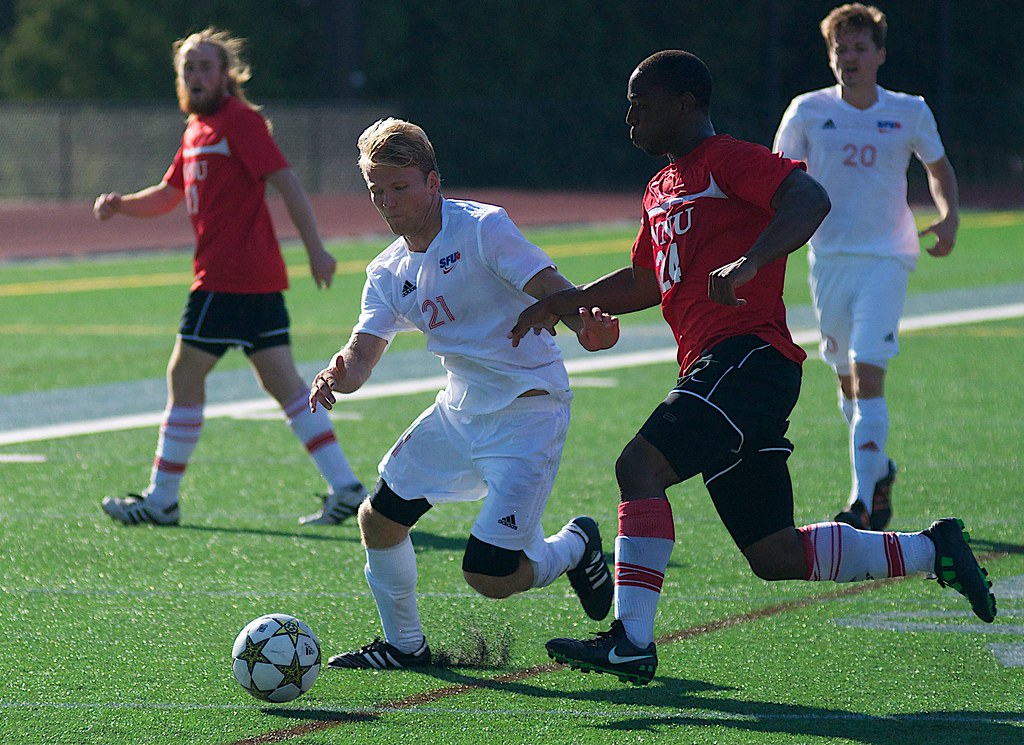
Is knowledge or kindness and connection more important in a coach? The reality is that a coach with both is ideal. “I’d rather have a coach somewhere in the middle. Both extremes come with severe downsides. But a coach who can be positive but also enforce certain rules can make a competitive and fun environment,” senior varsity soccer player Shreyas Ganeshan said.
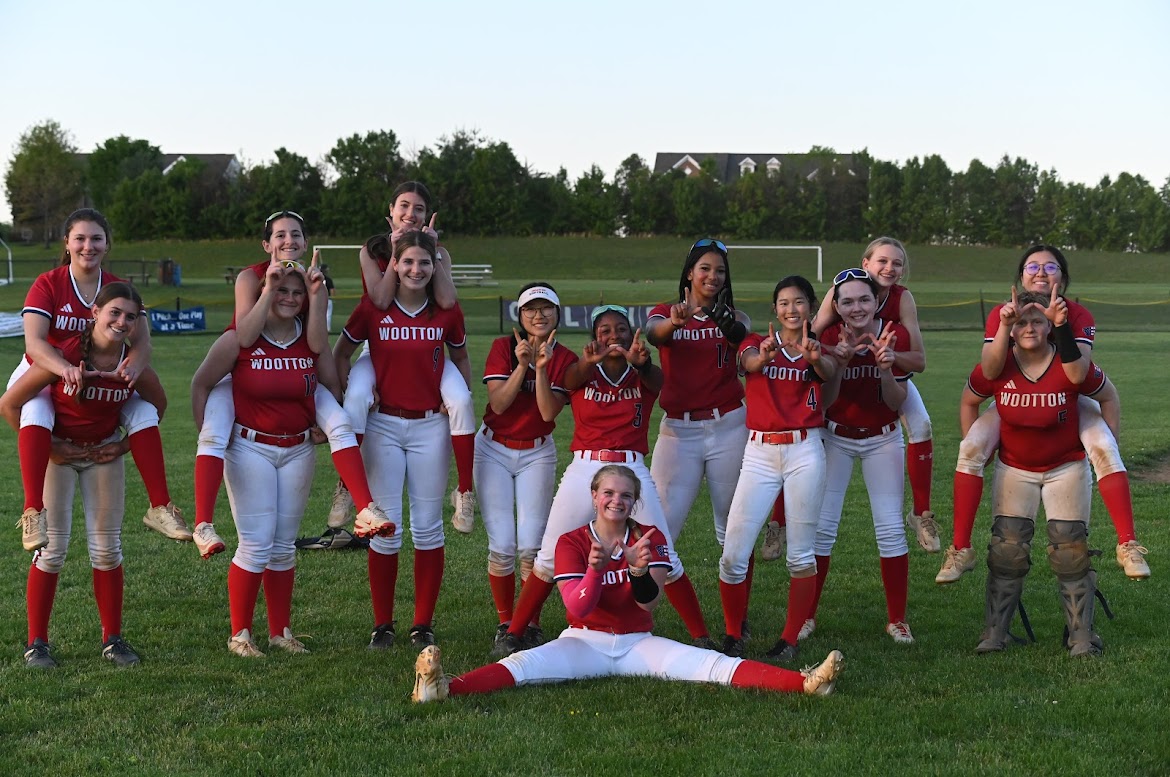
The best coaches understand that players are there by choice, and they must remember that. The most important thing is that the kids enjoy it and have fun. “You should make the players feel like their time is worth something. Do I want to win? Yes. Do I want the girls to play the best? Yes. But I also have to understand they are investing their personal time into this sport,” varsity softball coach Clifford Smith said.
Whether or not coaches should prioritize winning or development is a controversial debate. Ultimately, the answer depends on the age and situation. “I think in the younger age groups, and anything below semi-pro, coaches should prioritize development. It is important to create a winning mindset, but the player’s development always comes first. Without development, winning is impossible anyway,” Ganeshan said.
With development being an integral part of sports at the youth level, a coach’s talent at doing so has major implications. Typically, the better a coach is at developing players, the better a coach they are. “What separates a good coach from a great coach is how much your players get better from the beginning of the season to the end of the season. Even from day to day, what do you learn from your losses, your mistakes, and what happens from point A to point B,” Smith said.
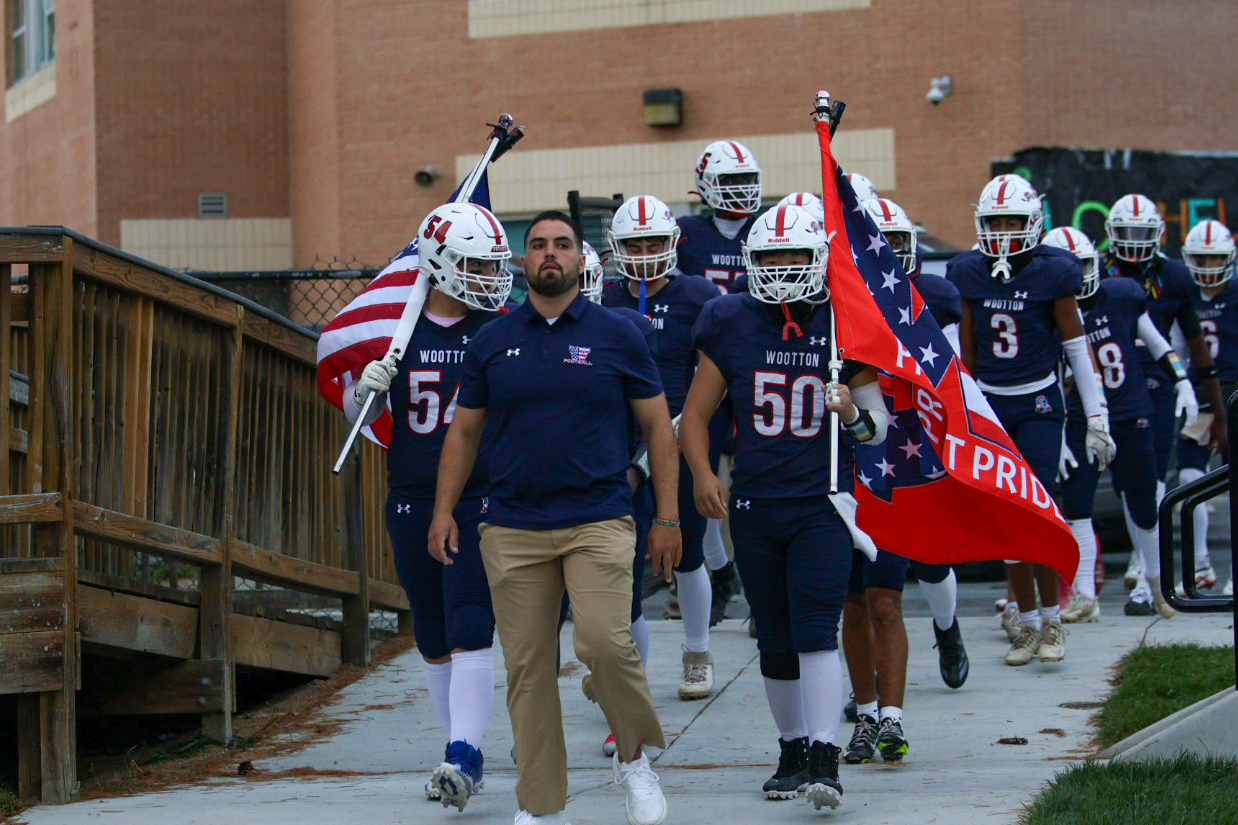
The culture of a team impacts each athlete, from the starters to the bench players. Coaches play a significant role in developing the culture they want to see in their program. “The coach is the main factor of a team’s culture. Depending on the coach, it can bring a toxic culture if the coach is too harsh, but if the coach is too lenient, then it could create a lazy team,” Ganeshan said.
Truly exceptional cultures are ones that don’t end. The culture should continue well into the offseason. “The best cultures that we have in this building aren’t the ones that just take place during the season, it’s coaches that are here all the time or are working with their kids throughout the year,” Athletic Director Alton Lightsey said.
Constant reflection and feedback is important for coaches to grow. “I evaluate each coach at the end of each season, so it doesn’t matter if you’ve been here 20 years or one year, you get an evaluation. That’s the time where I have the opportunity to sit down with them and talk about how their seasons went, what I think they need to work on in the future, and ask them if there’s anything they need from me,” Lightsey said.