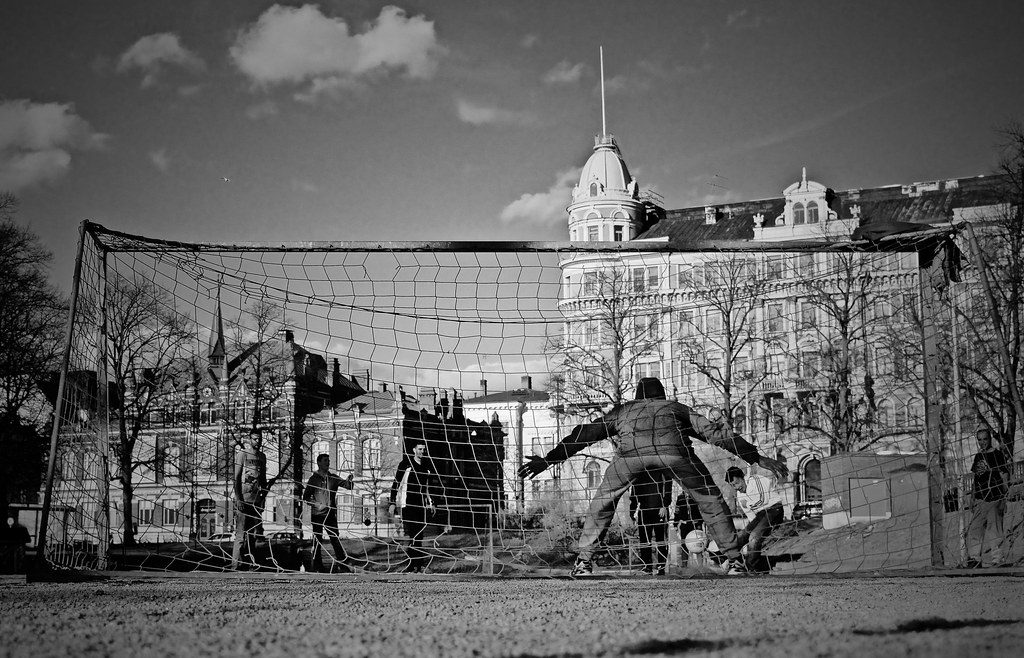
In sports, one of the most controversial topics is the goalie position. It is believed that being a goalie requires minimal effort and movement, resulting in many believing it is a simple position. But in reality, goalies face unique challenges.
At the end of every game, players often embrace their goalie after winning a game, recognizing the goalie’s crucial role in stopping goals. On the opposing side, once a goalie loses an important game or the team is on a losing streak, the fans, sportscasters and overall environment turn against them. This can make the goalie feel uncomfortable and uneasy.
Professional hockey player Robin Lehner exemplifies this, as following a 2018 rehab stint, he was diagnosed with Bipolar I disorder with manic phases, PTSD and ADHD. He had previously self-medicated with heavy alcohol and pill consumption. The Swedish netminder reached a breaking point in March 2018 after a severe panic attack during a game, leading him to seek help and go public with his struggles. Lehner has played for several NHL teams during his career, including the Ottawa Senators, Buffalo Sabres, New York Islanders, Chicago Blackhawks and Vegas Golden Knights. He has not played since 2022.
Being a goalie is fundamentally different from being a traditional player. A mistake made by a player can often be absorbed by teammates and minimized within the game, but a single error from a goalie can dramatically shift a team’s momentum and lead to disaster. This was particularly evident during last year’s Stanley Cup Final between the Edmonton Oilers and the Florida Panthers. In the fourth game, goaltender Stuart Skinner allowed three goals on just 17 shots. As a result of his performance, he faced heavy criticism, which escalated into toxic online abuse. Reports surfaced indicating that his family received death threats during the playoffs, leading his wife to step back from using Instagram due to the distressing situation.
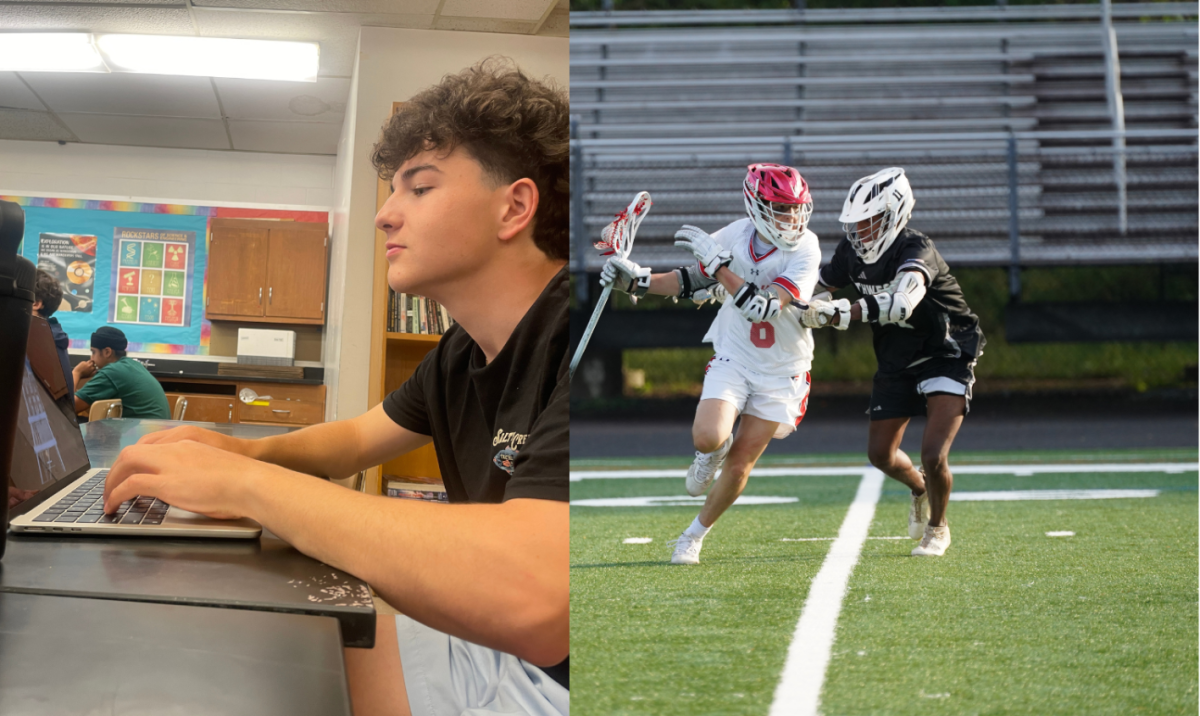
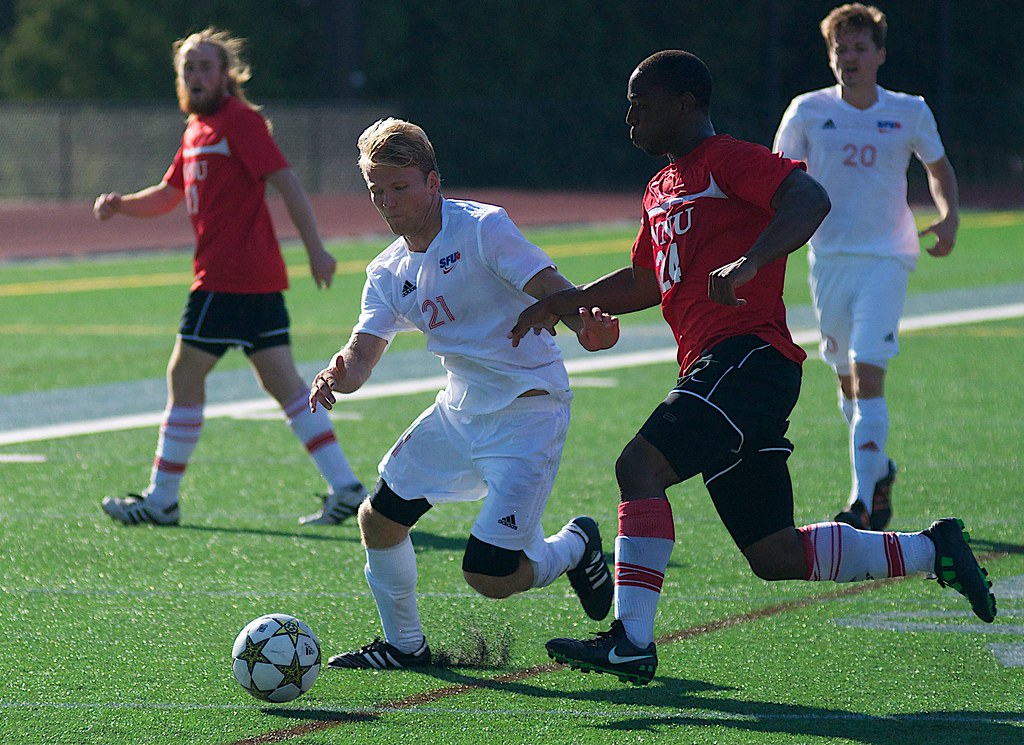
In a school environment, two student-athletes during the spring and fall seasons share insights about the challenges of being a netminder. “One thing that many people don’t realize about goaltending is how focused we have to be throughout the entire game. In addition to making saves, we goalkeepers are responsible for communicating and directing play around the field for the whole match,” junior and varsity boys’ soccer goalie Lorenzo Ribulotta said.
There are mental side effects of being a goalkeeper. “I’ve definitely had times when I’ve conceded goals that were almost unstoppable, yet I’ve still felt the pressure from myself and others. Being a goalie is mentally challenging, but it actually helps me toughen up for the future, preparing me to be more persistent in real-world situations,” Ribulotta said.
Junior and lacrosse goalkeeper Benedict Santos corroborated the mental challenges of being a goalie. “Being a goalie is difficult because you must be mentally tough and patient while also keeping your team’s spirits high. You are essentially the quarterback of your team,” Santos said.
Although people may not fully grasp the harsh realities of being a goalie in any sport, it is essential to recognize that these athletes are human and not perfect. Playing as a goalie is a demanding position that requires not only physical skill but also immense mental strength. The pressures goalies face from their teams and the public emphasize the need for greater understanding and support for those in this critical role.