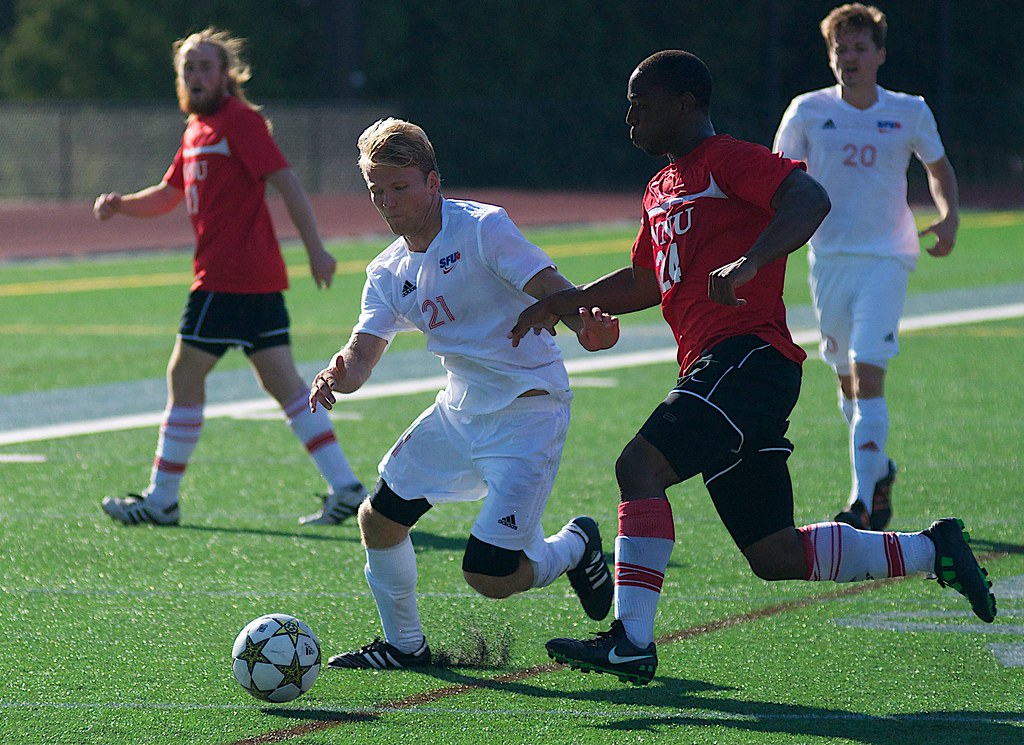
For athletes, the number they wear on their backs has a meaning. Each number on each player represents an aspect of their life that they cherish. These numbers also become a player’s classification. Everyone knows Michael Jordan as number 23, Christiano Ronaldo is often referred to as CR7 and Tom Brady was never seen without the number 12. These numbers that athletes choose follow them for the rest of their lives, which is why retiring them carries more weight than people realize.
Retired numbers are used to honor an iconic and praised athlete. By removing their jersey number from future use, it remains a memorial for that player forever. This honor is not one that is given frequently or taken lightly in the professional world. Only the most iconic players are granted this offer including MLB player Jackie Robinson (#42), NBA player Bill Russel (#6) and NHL player Wayne Gretzky (#99). Common reasons for retired numbers include Hall of Fame careers, deaths or longlasting, powerful athletic impacts.
Student-athletes and sports lovers of all ages find the practice of retiring numbers benevolent and conscientious and say they want to implement this practice at this school. There is already the athletic Hall of Fame that is now visible on a wall in the Commons, and there is another wall of athletes who have had impressive athletic accomplishments after graduating from this school, but students may believe that retiring numbers would be the most honorable of those recognitions. “I think retiring jerseys is a good idea but only after the person achieves a very unique and significant accomplishment in the future, after high school,” senior Megan Lomotan said.
There are, however, reasons why this could not – or should not – be implemented in high schools. For starters, certain sports like basketball have a limited number of numbers available because there can’t be any numbers higher than five. This is due to the fact that refs cannot show the number 18 with only 10 fingers when they call out fouls. Therefore, if numbers began to be unavailable, someone who has dreamed of playing for their high school team with a certain number would not be able to do so. “We don’t ever order special numbers for individual kids, so for us to start eliminating numbers, eventually, we would run out of numbers that we could use,” Athletic Director Alton Lightsey said.
Retiring numbers is vastly different from having your name and list of achievements on a plaque on the wall. A retired number in the professional athletic world is the greatest form of recognition a player could receive, therefore it would have to hold to the same standards in high school. This would increase selfish competition between the athletes within a school, instead of letting them focus on working with their teammates to defeat other schools. It creates a larger, unfair gap between “exceptional” players and those who are less recognized. “If numbers get retired it wouldn’t allow other players to represent players who previously wore them and it would limit numbers that some people in the future may have special connections to,” senior Yeshetila Tafa said.
Whichever way students choose to view retired numbers being brought to this school does not change the fact that it would bring changes to how athletes are perceived. There are other ways for outstanding athletes to be recognized at this school and perhaps those are enough for now. Yet still, retiring numbers only after a graduated athlete has had an astonishing performance in college or beyond would be a special way to remember how their experience at this school helped them make an impact in the professional world of athletics.