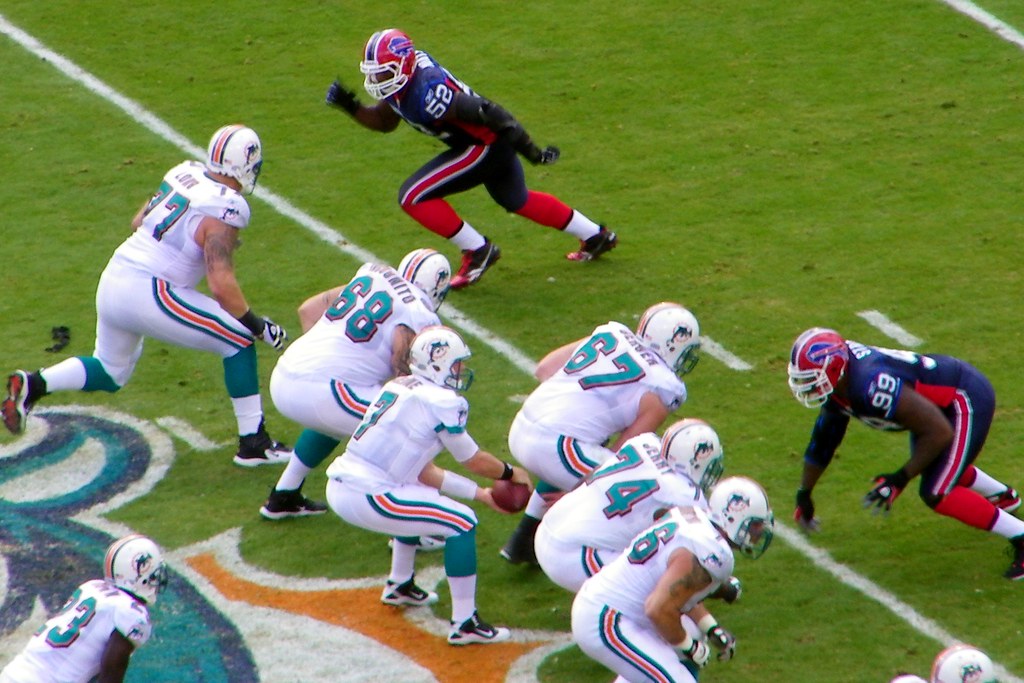
In 2013, the National Football League, NFL, reached a $765 million settlement with former players, who alleged the NFL was hiding the dangers of football, especially the risk and effects of concussions. These 4500 former players suffered from brain related injuries such as dementia, depression or Alzheimer’s that severely affected them later in life after their professional career.
These 4,500 players are not the only ones suffering from injuries incurred while playing football, however, current and future players will also be affected by brain injuries while playing professional or college football. The hard blows to the head from tackling an opposing player, whether it be from the high speed these players run at or crashing into the ground, can build up and eventually cause trouble down the line. These concussions and hard blows build up over time and cause problems such as Chronic Traumatic Encephalopathy, CTE, though these problems are hard to diagnose. “Even though there are advances in imaging resolution, currently available and clinically validated imaging technologies, blood tests, and other measures can’t always detect damage from mild, concussive injuries,” according to the NIH.
CTE is among the more severe of the long term injuries football can cause, but it has been on the rise since an NFL player was diagnosed in the 2000s and 100 more have been diagnosed since. CTE is a chronic issue with the brain where a protein called tau, a chemical responsible for keeping the neural structure rigid, builds up in an effort to protect the brain from further harm but, in the process, creates issues with brain function causing behavioral changes. “Chronic traumatic encephalopathy (CTE) has been linked to participation in contact sports such as boxing and American football. CTE results in a progressive decline of memory and cognition, as well as depression, suicidal behavior, poor impulse control, aggressiveness, parkinsonism, and eventually dementia,” according to the National Library of Medicine.
The NFL has had a history of brain damage denial, including a 2009 incident where a top NFL neurologist denied there was any link between playing football and brain damage, even though pre-2009 research said otherwise. The NFL has recently turned their attitude toward these injuries around as they have given $100 million to independent research groups and engineering advancements to improve the safety of the gear football players wear. “When it comes to addressing head injuries in our game, I’m not satisfied, and neither are the owners of the NFL’s 32 clubs. We can and will do better,” NFL Commissioner Roger Goodell said.
Although the gear football players use has advanced significantly since the early days of the NFL, it is still prudent to be wary of the possible injuries that could occur to the brain even in high school football. High schools may not have players as fast or as strong as those in the NFL, but tackling another player to the ground may still cause injury and brain damage shown through lower scores on ImPACT tests, a Verbal and Visual Memory Composite test to determine if a person has suffered a concussion. “Among the former NFL players in the sample [those who had their brains donated for research], 99 percent had CTE. This suggests the effects of brain trauma on CTE are cumulative. The more trauma over a longer period, the worse the symptoms,” according to the Jama Network.
The best ways to mitigate injury is to prevent it all together as a pound of cure is worth an ounce of prevention, and in football the main way injuries are prevented is through gear and rules. Any sport will involve some level of injury due to human error or otherwise but the mitigation of preventable injuries is an important goal and, if one is predisposed to be more severely affected by any possible brain damage, it is best to not play in order to preserve one of the most important organs in your body: the brain.