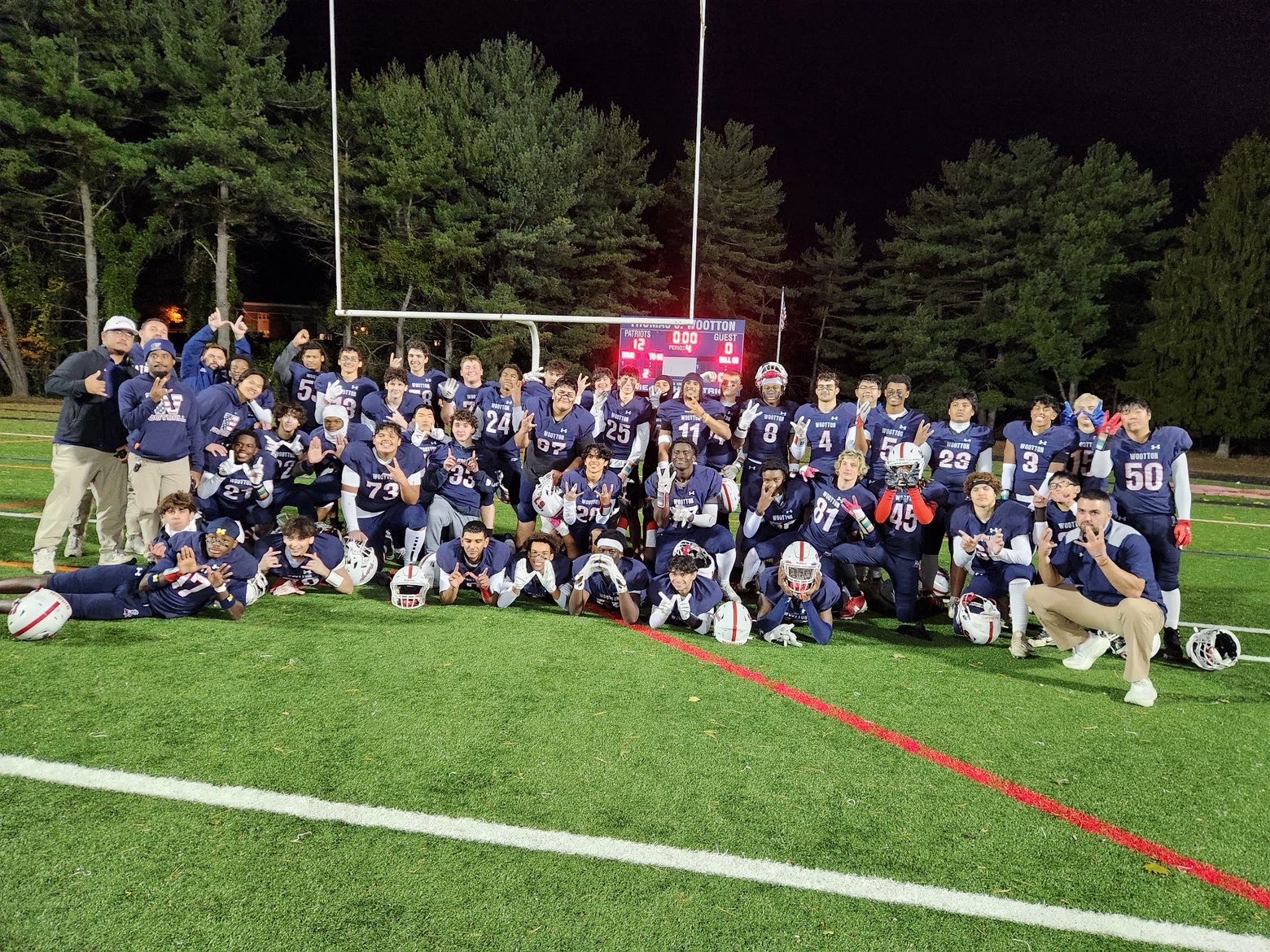

Football is a sport built on structure, strategy and clearly defined roles. Each player on the field has a job that contributes to the team’s overall success, and understanding these positions helps explain how this school builds its football identity. From pre-season training to Friday night lights, the Patriots rely on every position group working together to compete.
At the heart of the offense is the quarterback, widely seen as the leader of the team. The quarterback reads the defense, makes split-second decisions and controls the rhythm of each drive. Quarterbacks train to balance physical skill with composure, knowing that their choices often determine the outcome of a possession.
Lining up behind or next to the quarterback is the running back, a player known for versatility and quick reactions. Running backs must find holes in the defense, absorb tackles and gain yards even in tight spaces. The position emphasizes agility and awareness, preparing its running backs to contribute in both rushing plays and short passing situations.
Along the sidelines are the wide receivers, whose main responsibility is to create separation from defenders and secure passes. Their speed and precision stretch the field and help open opportunities for the entire offense. The receivers focus heavily on route running and timing so they can keep the offense dynamic. “I really like playing this position because it is kind of like big-play potential, and I can get clips out of it,” junior Tyler Saingbe said.
Supporting these skill players is the offensive line, often considered the most essential unit on the field. Offensive linemen block defenders, protect the quarterback and create the space needed for productive plays. Linemen are trained in technique, footwork and communication, knowing that their success often goes unnoticed but is absolutely crucial. “I like to play O Line because you get to go head-to-head with someone every play, unlike how a wide receiver just runs around all day,” junior Lamine Djermakoye said.
Defensively, the defensive line sets the tone. These players fight through blocks, pressure the quarterback and stop running plays before they develop. A strong defensive line helps control the pace of the game and force opponents into mistakes.
Behind them are the linebackers, who serve as the defense’s all-purpose athletes. They read plays, make tackles and adjust to both the run and pass. “I like playing linebacker because I get to make a lot of plays, and hitting people during the game is kind of fun,” junior Jude Ampofo said.
Then, defensive backs cover receivers, defend passes and prevent long gains. Their awareness and speed give the defense the stability it needs against passing-heavy opponents. Rounding out the team is special teams, the unit responsible for kicking, punting and returns. Even one special-teams play can shift momentum.
The diverse positions in football each demand unique skills and responsibilities, and contribute to the strategy and teamwork that define the sport. From the quarterback’s leadership and precision to the linemen’s strength and protection, every role is important for a team’s success.