
A “para” is a paraprofessional or paraeducator who specializes at working and assisting students with disabilities. They can be seen passing through hallways holding a student’s hand or rolling a wheelchair, but students may not know what their day consists of.
A paraeducator’s day begins at 7:20 a.m., guiding the kids off of buses parked outside of the school. They guide students toward the special needs hallway, helping them put their backpacks and other items away into classrooms. “We are prompting the kids to be as independent as possible,” par educator and poms coach Mia Krawczel said.
Next, paras guide kids through the first official part of the day: morning meeting. “This beginning part of the day focuses on parts of our day but also socializing with peers and greeting staff,” Krawczel said.
Continuing the agenda, paras transition the students to individual work, which consists of reading, math and writing skills where paras work one-on-one with their assigned kids. Alternatively, students may also work on doing vocational tasks which focus on skills like sorting and assembling. “Sometimes students need prompting,” Krawczel said. “Really what we’re doing when we are prompting kids is prompting them by making sure we are using our words, gesturing towards directions, and modeling what to do. We’re taking data all the time on behavior, academics, and their prompt level for vocational tasks.”
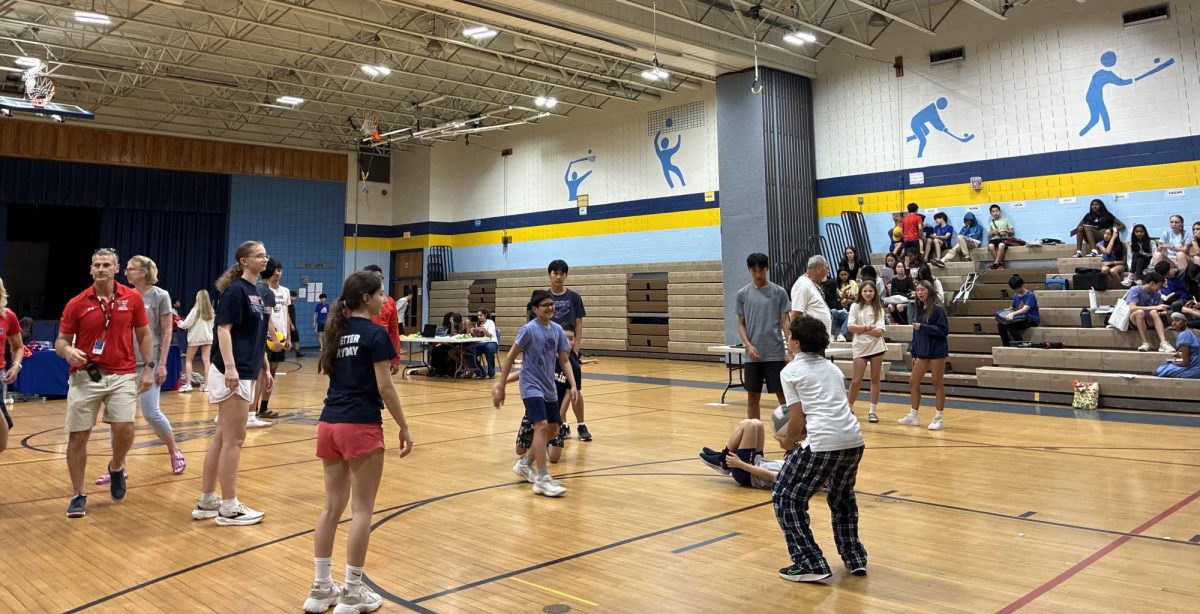
After individual work, paras help students shift to PE. During this period, paras support students while they partake in athletic activities like bowling. Paras help set up bowling and guide students to complete activities and any other assistance that PE teachers may need.
After completing PE, paras help students finish any of their academic or vocational work, before they travel to job sites. Paras take kids to a variety of 10 different job sites throughout the community, including Lakewood Country Club, VisArts, Mama Lucia and Potomac Pizza. “We make pizza boxes. set up dining rooms, and wipe tables,” Krawzcel said. “Paras go either by themselves, or with one other para, may take anywhere from one to five or six students to a job site.”
After taking students to visit job sites, paras guide kids to lunch. During this time, staff rotate their lunch between assisting students to take their own breaks. The Autism Program aims to give each para at least 40 minutes to themselves during the lunch period.
Following lunch, paras do group activity with their students. This period consists of aiding kids with comprehension questions about reading and other activities. Finally, the day comes to a close with the final activity: an end-of-the-day letter. During this activity, students have a binder that contains sentence frames and structures. These writing materials allow students to describe what they did that day, which is later typed out into email format by paraeducators and sent home. “Paras help circle answers, help them type and use capital letters and punctuation,” Krawczel said.
Paras similarly aids kids while connecting with students from Best Buddies, a non-profit organization that connects students with special needs students while promoting inclusivity and friendship. Junior Best Buddies member Hailey Goldberg has been able to meet and interact with paras while visiting her buddy. “As a member of Best Buddies, I definitely see the hard work and dedication that paras put into ensuring their students are properly supported,” Goldberg said. “They are incredibly supportive of their kids.”
Paraeducators and special education staff play a fundamental role in the amalgam of the schools everyday routine and function by aiding special needs students and ensuring they are properly supported. They are the backbone of the disabled program in this school, and the heartbeat that keeps it going and running smoothly.“Everyday is an adventure, and everyday is different,” para Stephany Mordensky said.