
For high school students, getting a first job is an important step toward independence and responsibility, or sometimes simply a push from their parents. However, underclassmen face unique challenges that make finding employment more difficult than older students.
One of the biggest obstacles is age requirements. Businesses require applicants to be at least 16 years old, limiting opportunities for younger students. “Being an underclassman makes it difficult to acquire jobs because many jobs require a higher age,” freshman Grant Scofield said.
Because of these restrictions, freshmen and sophomores are unable to apply for positions they are interested in, and these jobs are instead taken by upperclassmen or college students returning home for the summer. Even when underclassmen meet the age requirements, they compete with upperclassmen for the same jobs. Employers view older students as more mature and responsible. “Companies are more likely to hire upperclassmen because they believe they are more responsible even though underclassmen often have an equal if not better work ethic,” Scofield said.
Sophomore Nick Healy agrees with Scofield about how experience matters. Healy said,”I think people prefer hiring upperclassmen because they seem more mature and are able to get jobs by themselves and are more independent than underclassmen.”
Older students have driver’s licenses and more flexibility, making them attractive candidates to employers. When Healy was asked about if experience plays a factor in the hiring process he said, “I think maybe a little because I think my boss would want to hire someone with [two-three] years of experience rather than someone starting their first job.”
Another challenge for younger workers is navigating employment regulations. Labor laws place restrictions on the hours and types of work younger teens perform. “There is a lot of legal stuff for the job which makes it difficult to obtain,” Scofield said.
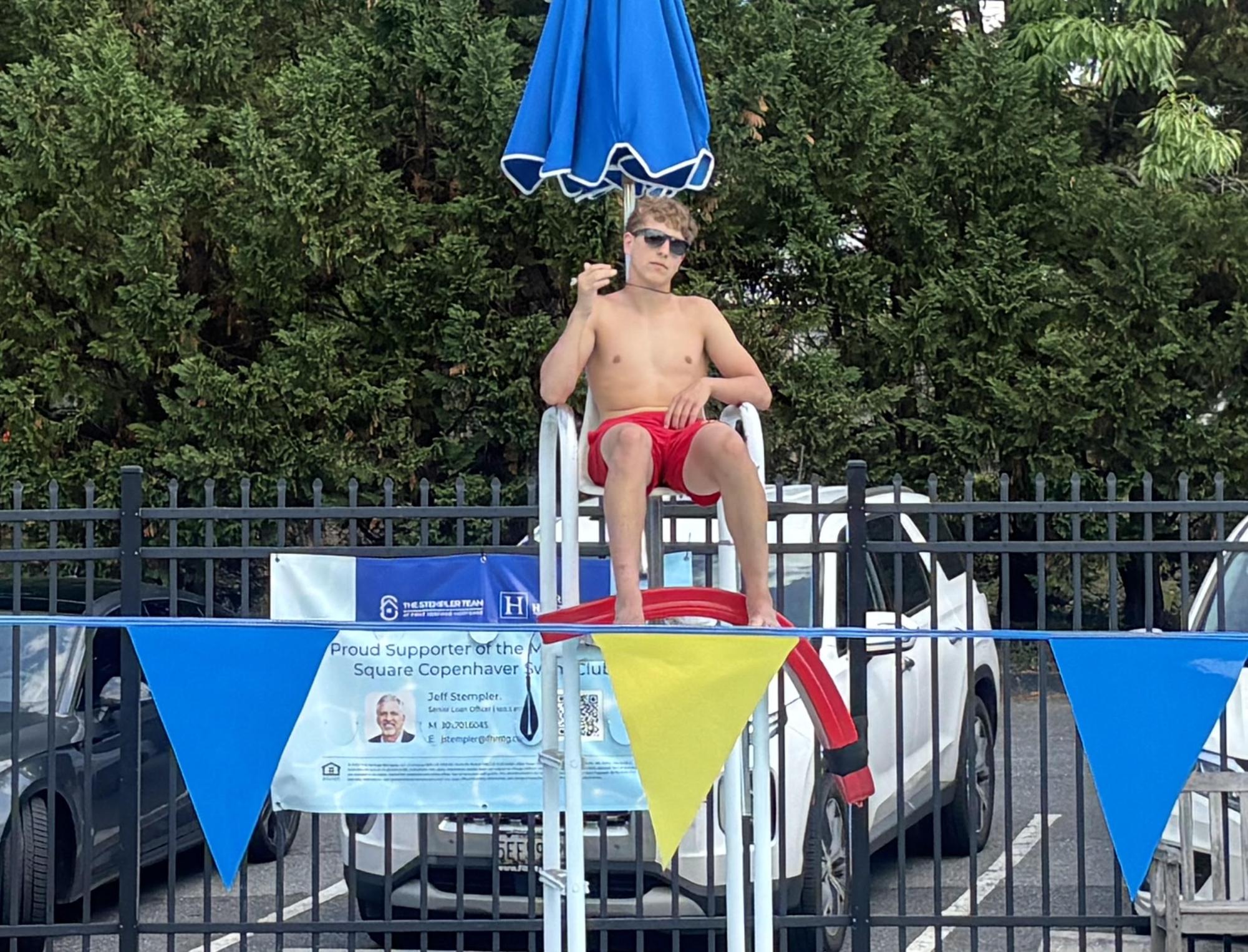
These requirements discourage both employers and employees from pursuing employment opportunities. Transportation is also a concern for students, though it depends on the individual situation. “Transportation has not affected my ability to be a lifeguard because my pool is walking distance,” Healy said.
While underclassmen struggle to find reliable transportation, others are able to work close to home and avoid that challenge altogether. “I live really close to the pool so just walk there,” sophomore Julia Sullivan said.
A job being only a walking distance away is important for when underclassmen first start their journey of looking for jobs. One being a walking distance away is more valued than one being a 10 minute car right away.
Finding companies willing to hire younger teens is difficult. With limited options available, underclassmen must spend extra time searching for employers willing to give them a chance. “The biggest challenge with looking for a job is finding companies that will hire you even though you are a young teenager,” Healy said.
Despite these challenges, underclassmen remain eager to enter the workforce. They say that jobs provide valuable experience, teach responsibility and help prepare them for the future. While age restrictions and employer preferences create barriers, younger students continue to seek opportunities to prove that they are reliable and hardworking employees.