
Katie Ledecky has 14 Olympic medals. Tori Huske has six. Michael Phelps has a whopping 28, making him the most decorated Olympian in history. For decades, Ledecky, Phelps and now Huske have competed as Olympic swimmers, dominating in the pool on a world stage. Aside from their collective success, they also share history, all representing Potomac Valley Swimming.
Potomac Valley Swimming, or PVS, is the local governing body for competitive “winter” swimming in the DMV region. While geographically PVS is the smallest league, PVS hosts 12,000 swimmers, making it the largest in terms of total athletes. Contributing to this relevance, the DMV’s unique “summer swim” structure offers a “feeder” dynamic where casual swimmers looking to learn water safety, transition to competitive, year-round, race swimming.
The DMV currently boasts 12 summer swim leagues: Country Club Swimming & Diving Association, Northern Virginia Swimming League, Montgomery County Swim League (MCSL), Prince-Mont Swim League, Colonial Swim League, Dominion Country Club League, Prince William Swim League, Columbia Neighborhood Swim League, Reston Swim Team Association, Gaithersburg-Germantown Swim League, Herndon Swim League and Old Dominion Swim League.
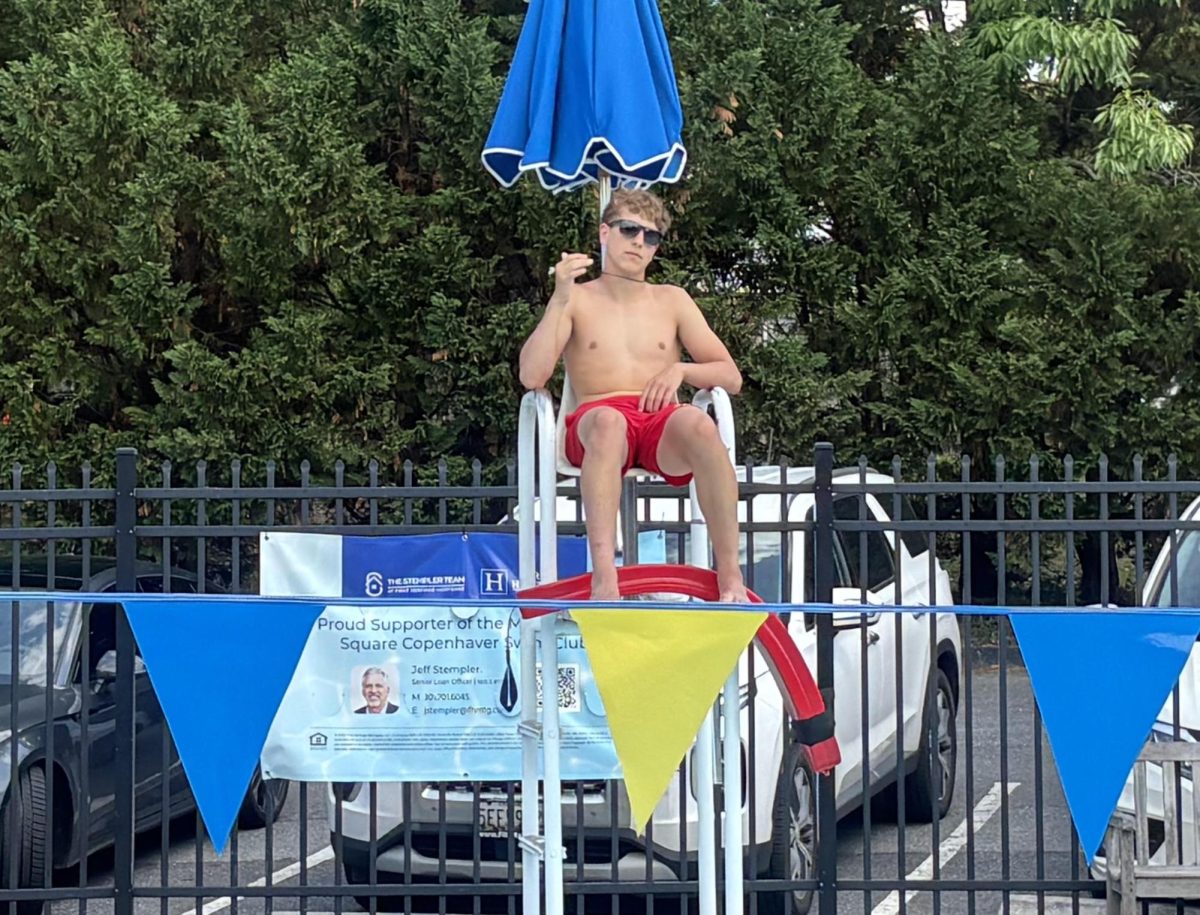
While the concept of such leagues is popular throughout the country, particularly in suburban communities with neighborhood pools, the DMV has the highest concentration of summer league swimmers in the nation. In other regions, swim team may be looked at as a way to learn basic skills and prevent drowning or train diligently to become the next Olympic. However in Montgomery County summer swim team is simply a way of life. “The second I was old enough I started swimming. I now swim competitively in the winter and am a junior coach for my neighborhood team the Westleigh Barracudas,” junior Isabelle Weiner said.
Depending on the team, kids can start swim team as early as ages three-four, joining “pre-team” where they practice basic swimming skills, from kicking to blowing bubbles under water. From there swimmers progress to the “B team” swimming in “B meets” traditionally taking place on Wednesday evenings. Then, if a swimmer’s time is fast enough, they will swim on the “A team” in more competitive “A meets” against opposing teams in the division. After a long season of dual team A/B meets, early morning practices and team bonding events, the summer concludes with postseason meets that vary from league to league.
MCSL, one of the largest leagues, concludes their season with “Divisionals,” a division-wide championship meet, and “All-Stars,” an elite meet featuring the top swimmers across the entire county. In order to compete in events like these, top swimmers train year round and utilize MCSL as an opportunity to represent their communities during the summer months. “After my summer swim team’s time trials I realized I enjoyed it so much that I started swimming competitively at 11. Winter swim gives me motivation for summer swim and a year to prepare for big meets,” junior Ava Nieto said.
However even if kids have no desire to swim competitively, summer swim team still offers a plethora of benefits. While high school sports only last for four years, it is not uncommon for swimmers to spend over 15 years representing the same community’s summer swim team, returning year after year.
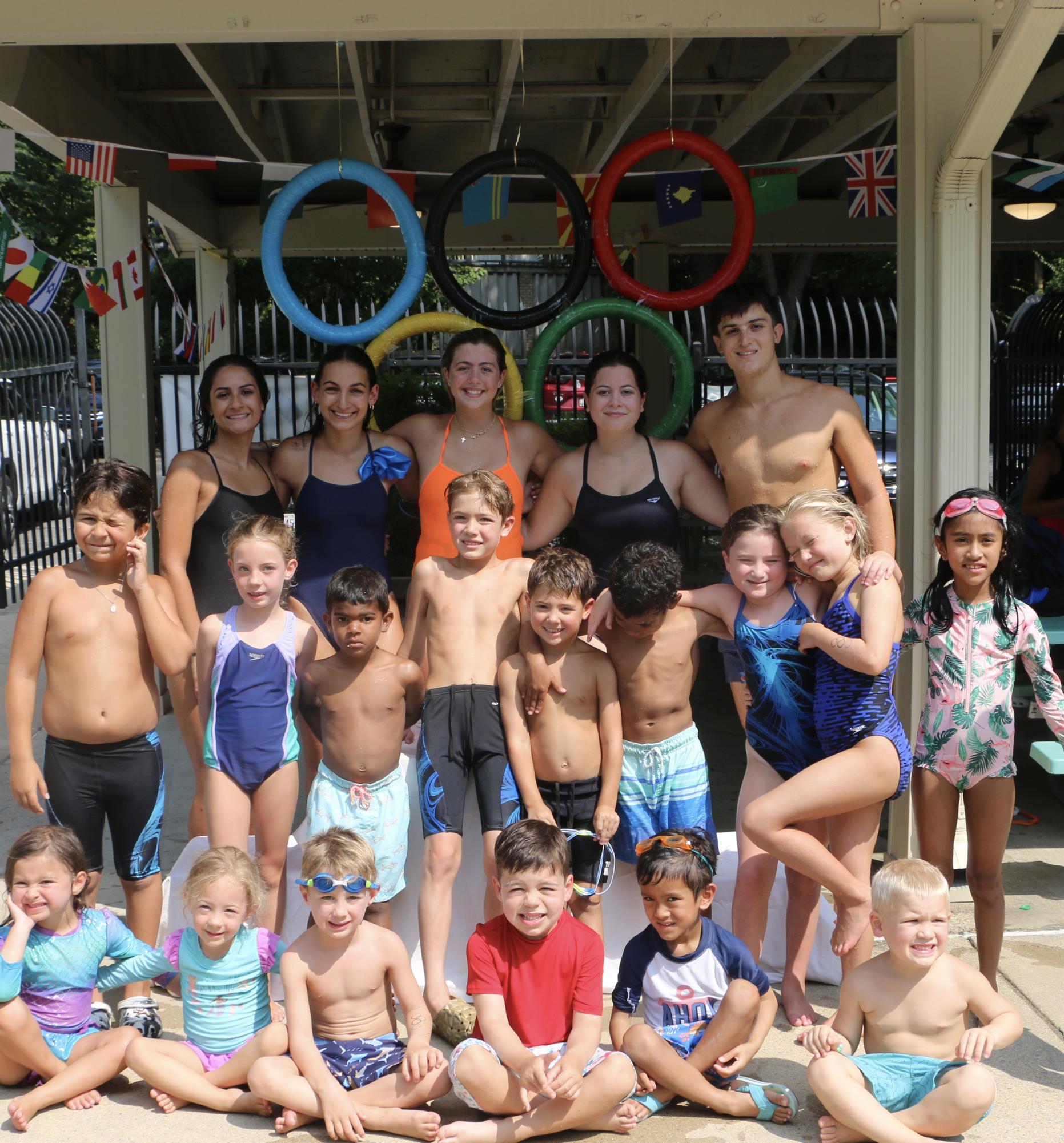
This longevity allows a cycle to form where kids start on pre-team being coached by older teens and eventually become coaches or “big kids” themselves acting as a role model for younger swimmers. “As I got older, I started enjoying coaching younger swimmers more. Being a junior coach and helping kids improve has been really rewarding,” junior Sid Shetty said.
Swimmers don’t return to the team simply for the competition but instead for the community, characterized by pep rally’s, tie-dye events, team cheers, Wednesday morning team breakfasts and decades old traditions. “My favorite part of summer swim team is always dressing up for A meet spirit themes,” sophomore Nathan Neches said.