
Every school year leaves behind moments that blur together over time: hallway conversations, sports victories, club meetings and quiet days in class. At this school, those moments are gathered and preserved by one group of students, working behind the scenes: the yearbook staff, who turn everyday school life into a lasting record.
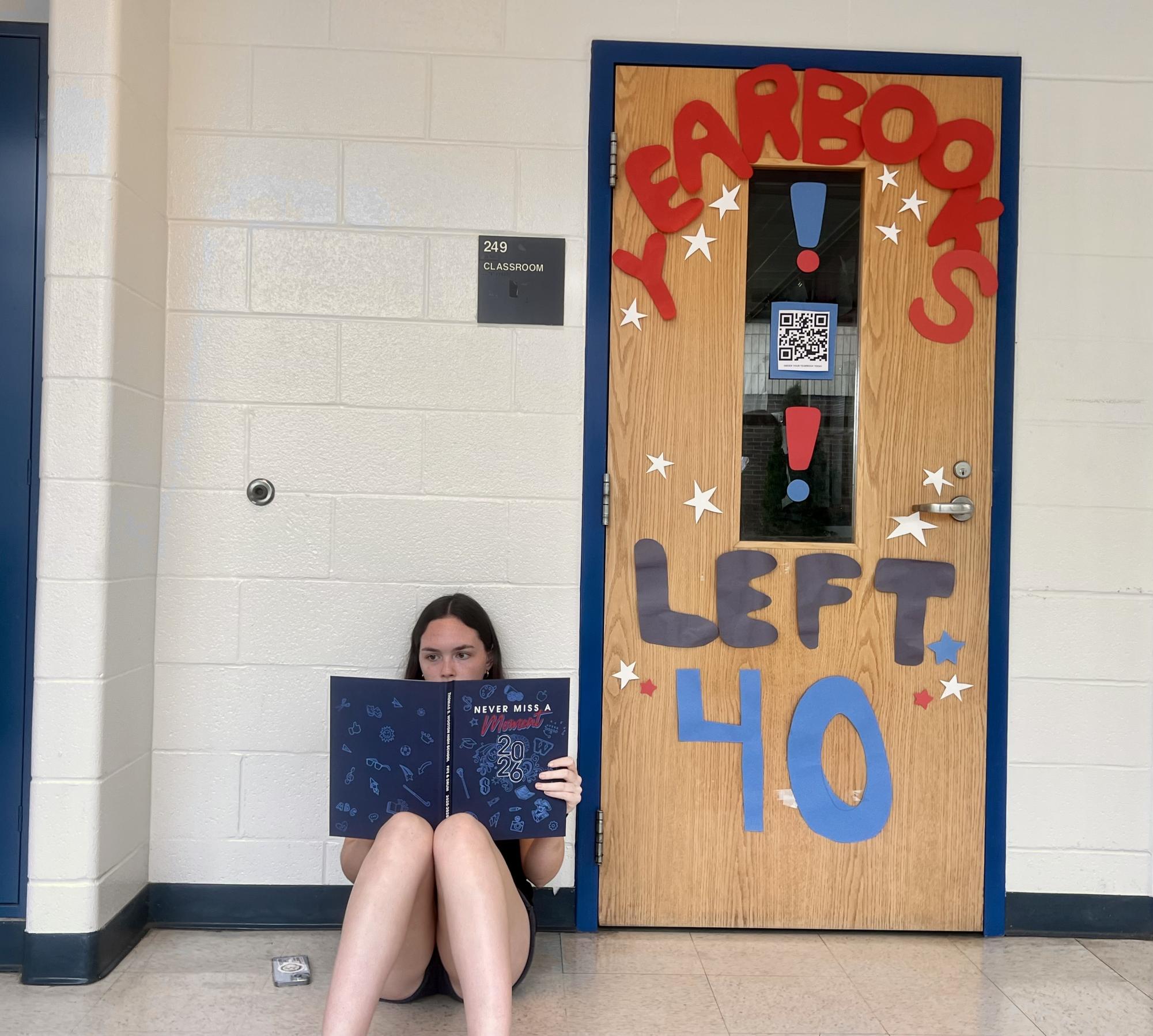
For students, the yearbook is something they flip through once it arrives in the spring. For the team creating it, however, it is a months-long process built on planning, coordination and attention to detail. Pages are designed piece by piece, photos are sorted and edited and every section comes together to form a perfectly curated book under yearbook adviser, Dr. Leslie Dumont, creating the perfect snapshot of the year. Junior Editor Annika Rytting said, “Yearbook is basically just a group of people collecting memories and putting them together in one book so we all have something to look back on.”
As a junior editor, Rytting helped shape how these memories are presented, working closely with the images, captions and layout decisions to ensure accuracy and balance across each page. “We always make sure everyone is properly labeled and that everything looks aesthetically pleasing,” Rytting said.
The process behind the finished book is also highly structured. Themes are discussed in advance through brainstorming and pitch meetings, chosen a year before publication and submitted for approval through Josten, the custom yearbook designer and printer.
Even with that structure, Rytting said that the work is demanding and misunderstood to be “free,” saying that it’s definitely not a free class like people think, but rather a class where students have to stay consistent, manage their time and get work done.
Despite the pressure to make the book perfect and the imperfections that come with it, Rytting takes pride in the final product. “Even with the slight imperfections, I’m proud of the final product,” Rytting said.
Still, not every student viewed the finished product the same way. Freshman Josh Downie said that while he thought the yearbook was enjoyable overall, details stood out to him immediately. “It was pretty good, but they spelled Wootton wrong on the side of the book, and I think that’s a pretty big issue,” Downie said.
While Downie noticed the slight imperfections in the yearbook, other students such as sophomore Grace Rosenbaum focused on the positives. Rosenbaum applauds the yearbook staff for their work, saying that it was well done. “I really like this year’s yearbook, it’s just so colorful, fun and helps me remember all the amazing things that happened this year,” she said.
While opinions on design choices may differ, both students and yearbook staff point to the same larger purpose of its publication: preserving memories that might otherwise disappear with time. Long after classes change, students graduate and schedules shift, the yearbook remains as a physical reminder of the students and experiences that defined that year.
Rytting said that lasting connection is what makes the work meaningful. “It truly captures who we were in this moment of time and how we’ve changed throughout the years,” Rytting said.
That idea is what continues to make yearbooks important in schools across the country. More than a collection of photos and names, they become records of a community, showing not only the major events, but also everyday moments students may one day forget. From sports games and performances to candid pictures in classrooms and hallways, each page reflects the personalities, trends and atmosphere of that school year.
For seniors, the book may become a reminder of their final months before graduation. For underclassmen, it offers a way to look back at how the school changes over time. Even years later, students may reopen their yearbooks and rediscover friendships, memories and experiences they had not thought about in years.
Although students may joke about themes, criticize mistakes or debate the best cover designs, the impact of the yearbook often becomes clearer with time.