
When I started taking Journalism 1 with Ms. Starr, during the beginning of my junior year, she stressed to us how important our work as journalists was, the power that it held and the impact that it had. I don’t know if I completely believed her at first, but it made me think about the role journalism has played in my own life.
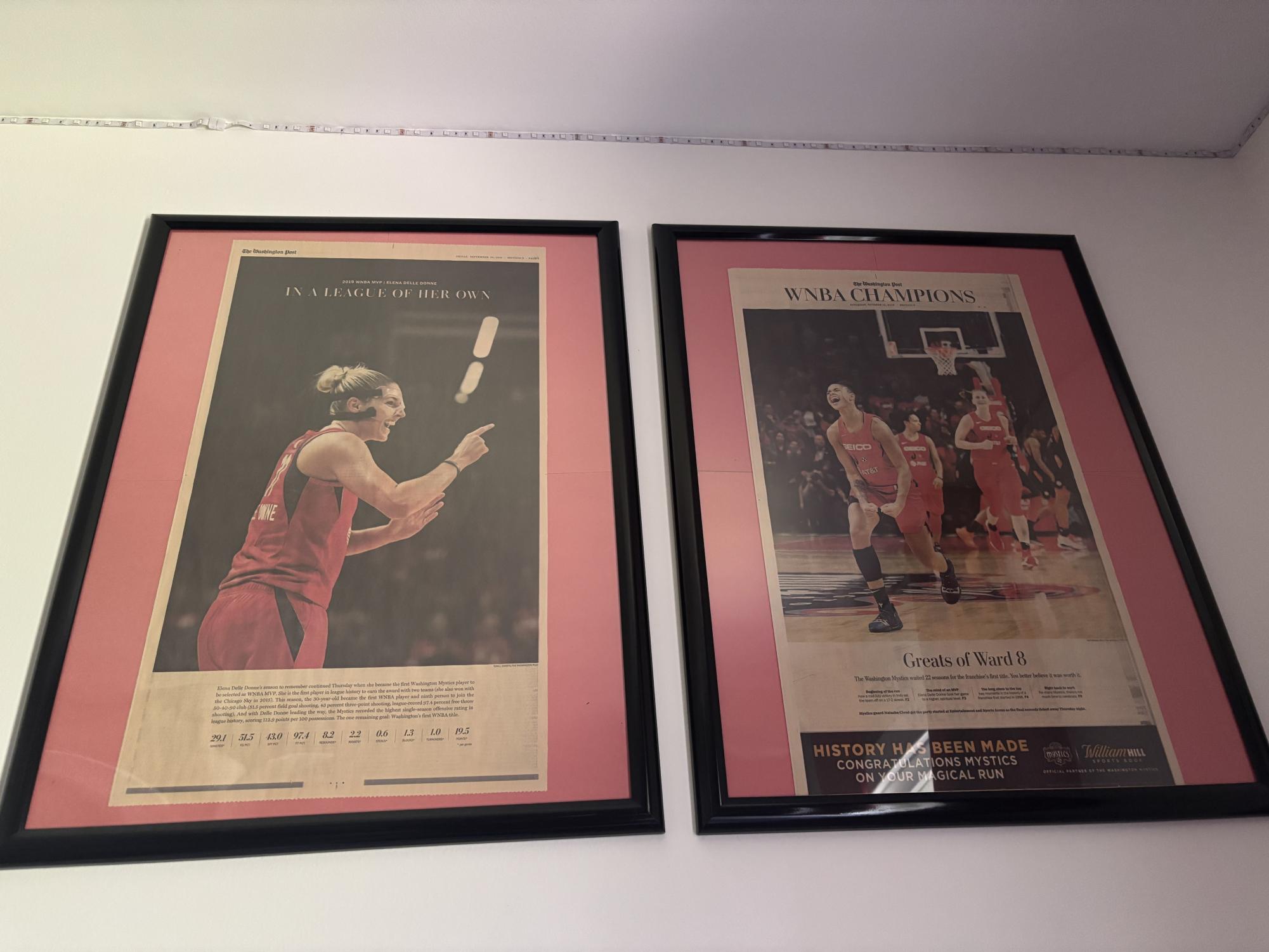
When I started watching basketball at around seven or eight years old, I quickly became a huge fan of the Mystics and Wizards, but without a phone I didn’t have many ways to keep up with stats or scores when games went past my bedtime. So, I started reading the newspaper in the mornings. First, it was eating breakfast while flipping through the basketball scores. Then, it became the whole sports section, then the whole thing, and eventually I didn’t have time to read it before school. I would pack a copy of the Washington Post next to my lunchbox and open it up during lunch to read, much to the amusement of my friends.
Reading the newspaper every day was how I learned not only about basketball or other sports but also about new movies or music, about politics and protests and about current events. The work of journalists was an invaluable resource in my process of making sense of the world around me, just as it has been to countless others. This, I believe, is precisely why journalism is under attack worldwide.
According to the Committee to Protect Journalists (CPJ), 2025 was the deadliest year for journalists and media workers since the CPJ began collecting data in 1992, the second consecutive record-high year of deaths, with 129 press employees killed, 104 of them in conflict zones. It is no coincidence that such a high proportion of murdered journalists are those reporting on things like war, civil unrest, and genocides — journalism uncovers the truths that those perpetrating injustice would prefer to remain hidden.
Take, for example, the state of Israel’s ongoing genocide of Palestinians. In 2024 and 2025 — again, both record-high years for press killings — Israel was responsible for two-thirds of all press killings, found the CPJ. The Israel Defense Forces (IDF) are responsible for more targeted killings of reporters and media workers than any other state military since 1992. The genocide in Palestine has received worldwide coverage due to the courageous work of journalists, particularly Palestinian press members, making those journalists targets for Israeli violence and murder.
It is a similar pattern to that of other genocides and wars; the civil conflict in Sudan between the Sudanese Armed Forces (SAF) and the Rapid Support Forces (RSF), and the current genocide in Darfur by the RSF have become another dangerous place for reporters At least six press workers were killed in Sudan because of their work in both 2024 and 2025, and the RSF is known to target journalists. The International Federation of Journalists (IFJ) says that Sudan has been the deadliest country in Africa for journalists for the past two years.
Every killing of journalists, whether in these countries or elsewhere, is a reminder of the importance of their work, of its impact in spotlighting the most ignored, marginalized people and places in our world.
All of this may seem quite far removed from a high school newspaper like Common Sense, but it isn’t. Journalism and newspapers do not begin to die with the cutting of entire sections, as the Washington Post recently did to their renowned sports section, or the suppression of free speech, as we now see not only in the United States but across the world. It begins with disinterest, with people perfectly satisfied to get their news from online disinformation and social media clickbait. It begins with disinvestment in the work of journalists, with newspapers outsourcing their writing to AI and high school students losing interest in their school papers because they don’t think it makes a difference. You can report on anything you want at Common Sense, be it local sports or rap albums or restaurant reviews or anything else.
All of it matters, all of it keeps your community informed, and all of it is part of the work of journalism that changes the world, your world, every day.