
Students and teachers see the world through different perspectives due to a multitude of factors. There are specific parts of students’ lives, both in school and outside of school, that staff members don’t understand. “I wish my teachers had a vision into how we as students feel and would go about things when it comes to school,” senior Shreyas Ganeshan said.
One thing students wish teachers understood is that a phone can be used as a tool to keep themselves organized throughout the day, rather than just a distraction during a lecture. Teachers often get on students about having their phones out during class, calling them distractions, when in reality they are being used as a means to stay organized, track assignments, set reminders, and communicate with family members about schedules, rides, and responsibilities. “I use my phone as a planner to keep me on track. I feel like having my phone out for a few seconds during class to stay organized actually makes me more prepared, even if it means missing a few seconds of a lecture,” senior Carter Morton said.
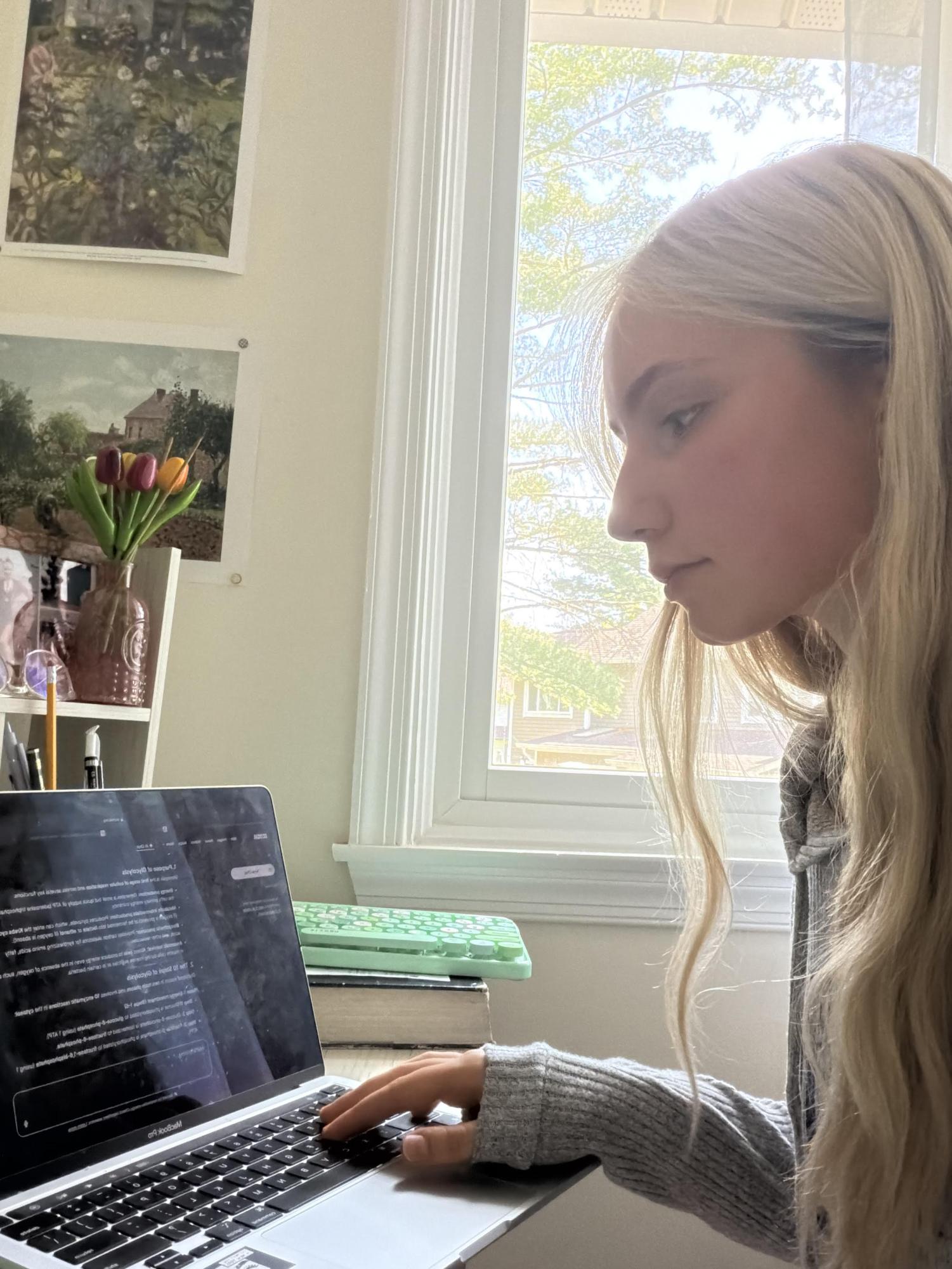
Another thing students wish teachers realized involves the use of artificial intelligence as a personalized way of understanding certain concepts. Instead of using these programs to avoid doing work, people use them to explain difficult concepts in ways that make sense. “I hate how AI is blocked on the Chromebooks. It’s so helpful when I don’t understand something in class,” Morton said.
An additional reality students wish teachers acknowledged is the physical toll of sitting in a hard chair for hours without a significant break for movement. The sedentary nature of every class leads to a drop in energy that makes focusing difficult for some students. “If teachers knew that we needed a break for some movement, I think school would be a lot easier to get through,” senior Carlos Perez said.
Students also wish teachers understood how receiving a notification about new work or a class plan late at night disrupts their ability to rest. This constant connection to school doesn’t allow students to fully unwind after school. “Many of my teachers, whether they mean to or not, publish certain things on Canvas very late at night, which kinda makes me feel like I’m always on the clock. The thought of school is always on my mind when I get so many notifications about it,” senior Jonas Klein said.
The reality of being thrown into a group project with an unmotivated classmate is another thing students want teachers to grasp. Being forced into a partnership with someone who doesn’t complete their portion of work creates a stressful environment that doesn’t reward individual knowledge. “I hate when my grade depends on someone who refuses to contribute anything to whatever assignment we may be doing. I feel as though we should always have the option to opt out of, or at least choose our partners for group assignments,” Klein said.
Ultimately, closing the distance between the teachers’ understanding of students and how students actually feel would allow the school community to function with a more shared understanding. This shift in perspective would lead to a more effective space for learning and growth where students would feel more supported.