
From mastering musical instruments to training for competitive sports, certain hobbies require hours of dedication, discipline and practice each week. These passions challenge students to discover what they can accomplish over time.
Deliberate hobbies, such as playing the violin, which relies heavily on muscle memory, or a sport like tennis, which demands intense, specialized practice to master complex strokes, require more than simply repeating familiar skills; they improve performance by targeting weaknesses. For example, according to Joe Le Doux from gatech.edu, individuals need to practice at a level of challenge that feels difficult, where they are uncertain and likely to make mistakes. However, non-deliberate hobbies, such as casual drawing or reading, focus more on relaxation rather than structured practice or multiple dedicated hours a week.
Freshman Rachel Kambach believes dance is one of those hobbies that require the most time to practice, due to the hours dancers have to dedicate both inside and outside of the dance studio. “Every other day after school, I attend dance practice for three hours at my studio, which adds up to around 11 to 12 hours each week. In addition I do other training at home, which consists of weightlifting and endurance running. This hobby has definitely taught me a lot of important skills, but most importantly discipline because it requires me to practice independently in order to self-correct and implement the feedback my dance teacher has given me. It has also taught me the value of consistency over perfection, because my coach emphasizes repeating movements and techniques over weeks or even months. For example, during my daily warm-ups, we do the same routine nearly every class to help build efficiency, rather than expecting immediate perfection,” Kambach said.
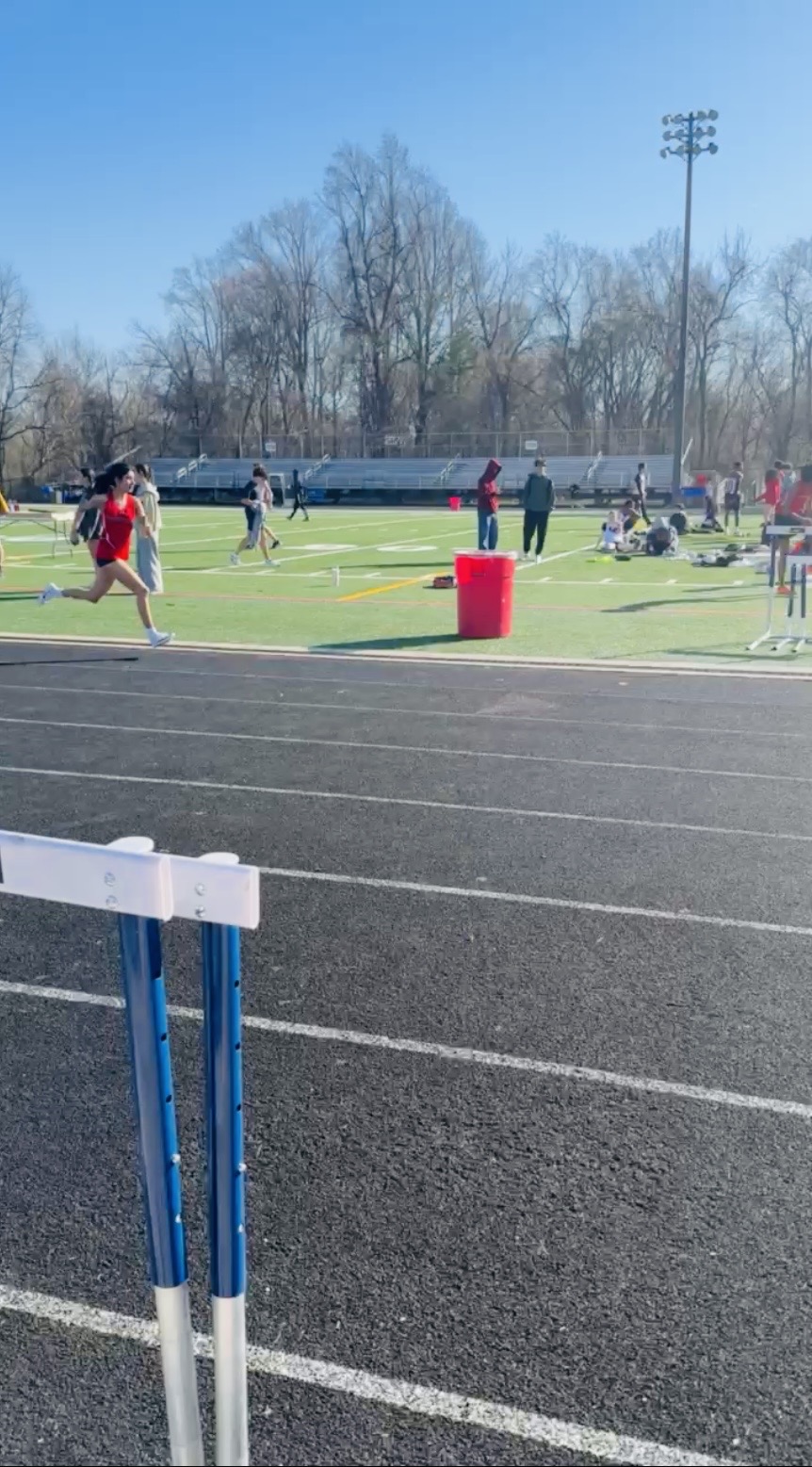
Students have to effectively manage their school life while maintaining consistent commitment to their personal interests and extracurricular activities. Pursuits often require a five day hard training, along with an additional day each week, to preserve progress and continue staying in flow state. “The hobby that I believe takes the most time to practice is the sport of track because it takes consistency and endurance to improve and see change happening physically and mentally. I typically practice six times per week, totaling to around 10 hours of practice. I work with my team and coach from Monday through Friday, and on Saturdays, I practice independently. This hobby has definitely taught me a lot of mental patience and taught me the importance of showing up, even on days when my motivation is low,” sophomore Arianna Agrawal said.
The difference between deliberate sport hobbies and deliberate art hobbies, such as playing instruments, is sports focuses on physical conditioning versus cognitive refinement. While both require intense focus, repetition, and setting goals to improve performance, each develops distinct skill sets. Together, they optimize different aspects of the human experience by strengthening both physically and mentally.
Freshman Spencer Joern began playing the guitar in September 2024 and felt inspired to start because it provided him with the opportunity to try to make his own music. “As soon as I picked up the guitar and started playing I realized that there’s a lot of factors that go into guitar, like singing, rhythm and having creativity to produce new music. For instance, if you don’t have the right rhythm or have bad timing it can make even the correct notes sound bad. I practice every day for two hours, which has taught me patience because you can’t get everything the first time and it has helped me learn to embrace a slower start and remain committed to improvement, whether mastering chords or working toward any goal in life,” Joern said.