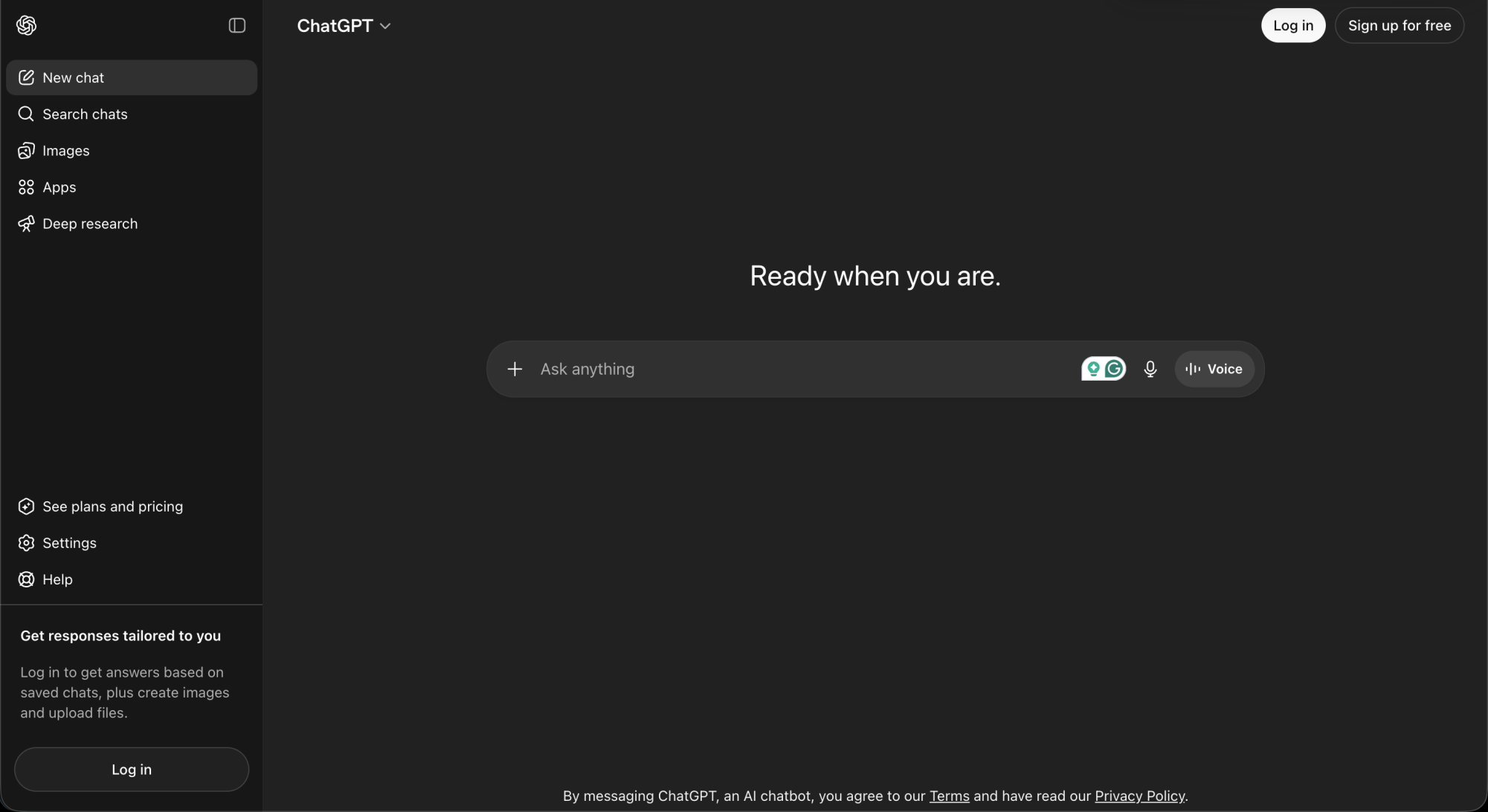
The public introduction of generative artificial intelligence models in late 2022 has changed the way every sector of the world functions. Since then, AI models like ChatGPT, Claude, Gemini and Grok have only improved, bringing new consequences with each update. School systems, including MCPS, have had trouble adjusting. For students, gone are the days of needing to spend hours on difficult work; snapping a picture of homework and copying down the answers is easy as ever.
Eliminating the use of AI on schoolwork is fairly accomplishable in the classroom, but restricting students out of school is virtually impossible. In an anonymous student survey conducted by Common Sense, 80% of students said that they use AI in school weekly, and 40% said they use it five or more times per week, on average. With all of the pressure regarding admission to higher education, students are inclined to resort to other methods of getting work done in school.
Past its use on assignments, students are using generative AI to fully cheat on assessments in classes. Watching over a class of 30 while trying to ensure each student isn’t cheating on a given test is difficult for teachers, leaving gaps for students to quickly pull out their phones and generate the exact answer to each question. Cheating prevention methods such as phone holders, privacy screens and the honor system are somewhat successful in reducing academic dishonesty, but they are far from foolproof. In the same student survey, over 46%, nearly half of the survey’s respondents, admitted to using AI on tests or quizzes in school. “People who use AI on tests or quizzes are selfish because it’s unfair to the people who don’t,” said one student at this school, who preferred to stay anonymous.
AI prevention methods for writing assignments and essays are much more effective. Teachers have more tools at their disposal for assignments like these: AI detectors, writing history and AI’s consistent writing structure make it much easier for teachers to spot it in full-length writing. Still, AI humanizers, including those that will even fix a fake edit history, are prominent, keeping fully AI-generated essays in the picture. “It’s upsetting to me, the way students use AI during school,” English teacher Rachel Wilsdorf said. “We’re trying to encourage students to develop critical thinking skills, and AI takes that away, when you’re asking someone else to do something for you.”
Disregarding the risk of getting caught, students do have moral problems with using AI in school, and value what they learn from doing their own work. Without proper indoctrination, the general intelligence of the world is bound to decrease. “I have never used AI in school for ethical reasons, and because I think it’s a slippery slope; many people, as soon as they use it once, use it for everything. I think it’s truly sad that students are no longer genuinely learning, and it will come back to harm them and our society in the future,” another anonymous student at this school said.
Additionally, artificial intelligence programs are far from perfect. Across all models, inaccuracy, hallucinations and biases make AI-generated text unreliable. However, with AI only primed to improve and students bound to continue utilizing them, it may be time for school systems across the country to reconsider how they approach the problem.
Categories:
Generative AI is changing the way students act in school

May 5, 2026
Story continues below advertisement
Donate to Common Sense
$545
$2000
Contributed
Our Goal
Your donation will support the student journalists of Thomas S. Wootton High School. Your contribution will allow us to purchase equipment and cover our annual website hosting costs.
More to Discover