

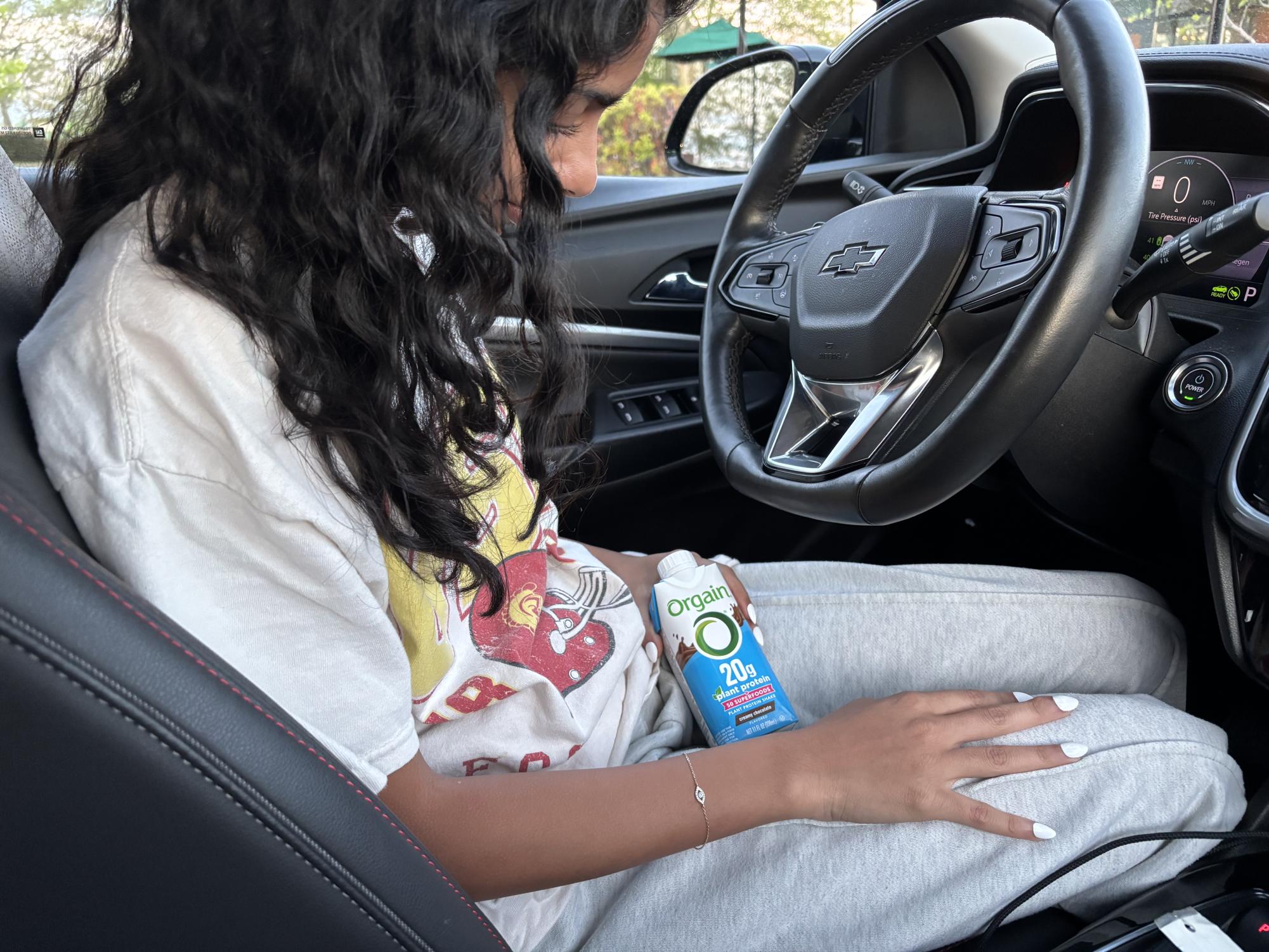
This school has extra-protein Doritos in its vending machines. How did we get here?
There are three macronutrients: fat, carbs and protein. Over the past 50 years, each has had its moment of stardom. In the 1970s, the Atkins diet preached cutting carbs. By the 1980s and 1990s, fat was public enemy number one, leading to a surge in low-fat products across grocery stores. Entering the 2000s, protein was the last one standing, easily pulling the title of “America’s next top macro.”
Through every diet era, protein has kept its reputation clean, giving it an advantage that businesses could use. Diet trends used to spread through doctors and magazines. Over time, social media collapsed that timeline with popular “what I eat in a day” videos. Celebrities and influencers like The Liver King, who built a massive following and multimillion-dollar brand around extreme high-protein, ancestral eating, showed how far the culture had gone. Viral fixes to everyday consumables, like mixing protein powder into coffee, turned this macronutrient into a lifestyle. With all this hype, consumer demand for protein has reached an unprecedented level of saturation in the American consciousness.
The food industry, which had been investing in protein long before social media, now had a cultural wave they were ready to surf on. “Eating extra protein foods helps me stay full longer and maintain my energy throughout the day. Since I am vegetarian, protein bars are a great way for me to get my protein intake,” junior Esha Khosla said.
Entirely new brands were created around protein as the core product identity. Brands like David (protein bars), which launched in late 2024, hit $100 million in its first year, and Protein Pints (ice cream), which did $10 million in its third year. Protein hasn’t just been attracting new brands, as demonstrated by it being adopted by existing ones. Cereal, not typically a protein-forward product, had been losing breakfast to options like Greek yogurt and protein drinks. General Mills hopped on the trend and launched a protein-specific cereal line with Cheerios Protein and Wheaties Protein, and crossed $100 million in sales in their first fiscal year.
Putting protein on a label makes products seem healthy regardless of what else is in them. Protein bars like Cliff Bars are notorious for this. Their high levels of saturated fat and sugar reaffirm that they are just glorified candy bars. The protein is still there, and it’s doing the job of making the consumer not look at the rest of the label. It’s also a pricing strategy because products with a protein claim on the label consistently command higher prices than their conventional equivalents. The same base product is reformulated with extra protein and then sold at a premium.
So products being not necessarily any healthier or better tasting could account for the fact that in a random sample of 75 students across all grade levels, 61.3% would rather eat regular Lays chips compared to the 38.7% that would rather eat Quest protein chips. “I chose regular because they taste better,” sophomore Eleazar Cruz said.
Brands can even go further than label framing. The FDA measures protein content by testing for nitrogen because protein contains it. The problem is, other chain substances contain nitrogen as well. Add the chain substances containing nitrogen to a powder and the gram count goes up but the actual benefit doesn’t. This is called amino spiking and has generated class-action lawsuits against protein powder brands.
At some point, the question stops being how much protein is being eaten, and starts becoming why consumers feel the need for so much of it. Regular meals already provide enough protein without supplements or fortified snacks, according to heart.org. The presence of protein Doritos in a school vending machine isn’t really about improving nutrition. It’s about how effectively marketing can reshape what people think they need. What started as a nutrient has turned into a label, and that label now drives what ends up in our hands.