When thinking about summer school options, online or in-person, students may wonder which format is more effective.
Online learning is often recognized for the independence it provides. Instead of following a strict bell schedule, students can organize their day in a way that works best for them. They are not required to wake up early, follow a specific bell schedule or sit in a classroom for long periods. This level of control can be helpful to those balancing extracurricular commitments or family responsibilities. It can also allow students to take short breaks, pace their assignments differently and work during the time of day when they feel most focused. Junior Haile Ma enjoys the flexibility that comes with online summer classes. “I like being able to work from home and not having to wake up as early,” Ma said.
Ma said that one of the biggest advantages of virtual learning is comfort and convenience. Being able to stay at home and adjust her routine makes online classes feel less stressful. Learning in a familiar environment can reduce pressure and allow students to focus on completing their assignments, making it more manageable.
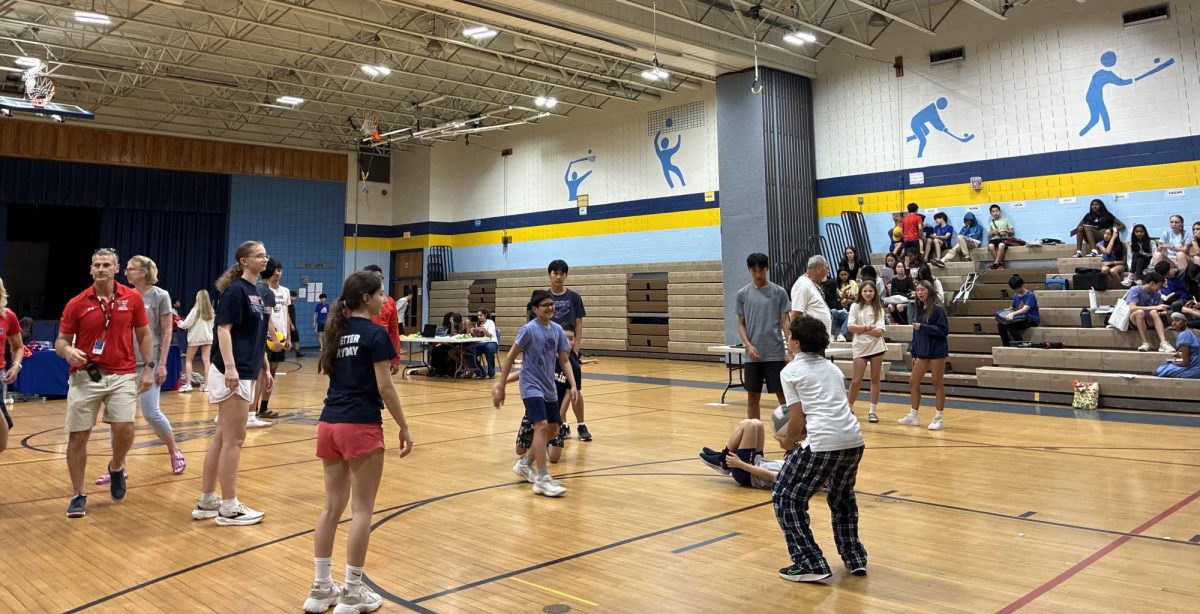
On the other hand, face-to-face instruction provides an interactive environment. A classroom is a major area where students can focus on their studies without distractions from home. Teachers are able to read body language, spot misunderstandings and react right away. When students are in the same physical location, group projects become more communicative. Being surrounded by classmates who are working toward the same goals can also increase motivation or accountability. Freshman Nadia Obaidy prefers in-person summer education because it helps her stay on course. “I feel more productive when I’m actually in school,” she said, “It’s simple to put things off at home. You really can’t avoid the work in class,” Obaidy said.
Each format’s success rate often largely depends on the person. A student’s performance is influenced by their learning preferences and prior academic experiences. Independent learners may adapt well to online classes, while others benefit from direct instruction and immediate feedback. Success is in how well a student’s surroundings meet their needs, not just where they are.
The social aspect must also be taken into account. Classes held in person offer chances to form friendships and improve communication abilities. Having discussions prior to class or while working on group projects creates a feeling of community and belonging. Online classes can be isolating, especially when chat boxes are used for discussions and cameras are turned off.
However, virtual learning can also provide a quieter space for students who feel overwhelmed in crowded classrooms. Junior Alana Lamb praised the more relaxed environment. “Online classes feel less overwhelming. You can concentrate on the task at hand,” Lamb said.
Ultimately, the debate between online and in-person learning does not have one clear answer. Both offer benefits and challenges, as one does not guarantee success. As summer program options continue, understanding personal learning preferences may matter more than the format itself.