

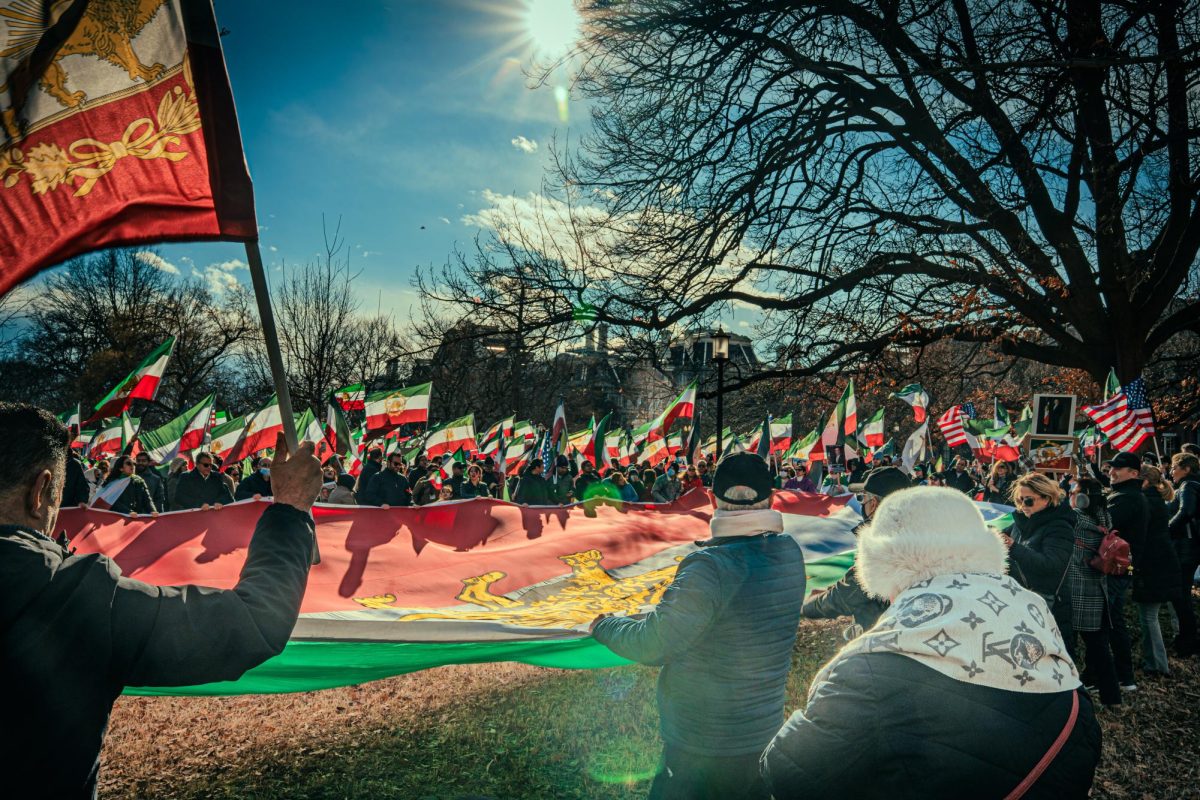
Across Iran, protests have continued despite violent crackdowns that have drawn international concern. Demonstrations began after the death of a young woman in police custody and quickly expanded into a nationwide movement demanding greater freedoms, accountability and change. Even after mass arrests, internet shutdowns and reports of deadly force used against civilians, Iranians have continued to demonstrate.
Videos have circulated online showing crowds chanting for freedom, women removing mandatory headscarves in public and students gathering on university campuses despite the risks. Human rights organizations report that hundreds of people have been killed and thousands detained. Government officials have described the unrest as disorder influenced by foreign actors, while protesters say their demands stem from long-standing frustration over political repression, economic hardship and restrictions on personal freedoms.
The protests have also drawn global attention. Iranian communities abroad have organized rallies, vigils and awareness campaigns in major cities worldwide. Social media has played a significant role in sharing information, especially as journalists face limited access within the country.
At the local level, students say the events have prompted serious conversations about freedom and human rights. “Seeing people my age risking everything just to have basic rights is crazy,” sophomore Kian Davaloo said..
The situation has drastically increased awareness among the first and second generation Iranian students. “It makes you realize how much people can endure when they believe in something,” senior Radin Pourassad.
Time magazine further troubled families around the world when they announced an estimated 30,000 citizens were killed in just two weeks during the full internet shutdown in Iran in mid-January. It marks perhaps the highest death toll of a nation’s government on its own people since Sudan in 2023, yet close to no sources speak up on the constant battle for Iranians against the Islamic regime.
BBC News experts say Iran has experienced waves of protest, particularly in the 21st century, but the scale, persistence and prominent role of women and young people make the current movement especially significant.
Despite the severe response by the government, protesters both in and out of Iran continue to gather, suggesting deep public dissatisfaction. New York Times analysts point to economic struggles, limits on free expression and generational differences as factors driving the unrest. Younger citizens, who make up a large portion of the population, are seen as a major force behind the demonstrations.
In a show of solidarity, the exiled crown prince of Iran, Reza Pahlavi III, declared Feb 14 as a call to action for the Iranian diaspora worldwide to fill the streets and protest peacefully for freedom in Iran. Major gatherings took place in cities like Munich, Toronto and Los Angeles, where over one million people took to the streets while maintaining an impressive level of cleanliness throughout the protests. Munich police reported receiving thousands of flowers, kind letters and gifts left on their vehicles by demonstrators, highlighting the peaceful nature of the rallies.
As the situation evolves, the outcome remains uncertain. However, the persistence of the protests has captured international attention and sparked debate about human rights and governance. The courage displayed by ordinary citizens facing significant danger continues to resonate with observers around the world.


Ken lind • Mar 22, 2026 at 2:45 PM
We in USA should encourage and support Iranians to volunteer to take their homeland back, remove the leaders that are leading their country down a path that is not correct. The outside world will support them. It’s important that Iranians bring first, or second generation do this as history has shown outsiders are not the permanent solution. God speed no matter which religion you are all good people when you value others, but now is the time please.